Burro Creek rockhounding in Arizona targets desert creek agate and jasper near bridge-access points — verify BLM and claims on our Under Burro Creek Bridge listing, pack for extreme heat, and use the Arizona guide for safer starter areas.
Burro Creek rockhounding is a classic Arizona desert hunt: colorful chalcedony, chert and agate scattered across BLM ground off US 93, with a canyon creek and campground nearby. It is not a staffed fee dig. It is a self-sufficient day in country where heat, washed-out roads and unclear land status are the real challenges.
What people actually find
Reports for the Burro Creek corridor describe pink agate near the bridge, plus a wider spread of chert, pastel “pastelite” (soft lavender, pink and cream chalcedony), druzy quartz in spots, and grooved calcareous tuff showing rill-like erosion patterns. The Mineralogical Society of Arizona has run field trips here for decades, and most of the easy collecting is surface material across desert flats, not digging. Quality varies from trip to trip, and many pieces are small. Our listing, Under Burro Creek Bridge, records pink agate specifically, so do not expect fire agate or large display nodules.
Access first, then enthusiasm
| Check | Why it matters |
|---|---|
| Claims and private parcels | Arizona corridors are patchworks; dig only where allowed |
| BLM personal-use rules | Casual hand collecting is generally allowed on eligible land, within “reasonable” quantities |
| Wilderness and developed sites | The campground and wilderness boundaries have their own restrictions |
| Road and wash conditions | Erosion can demand high clearance after storms |
Remember that the campground is a developed recreation site, so treat it as a place to camp and wade, not a place to pocket rocks. Read our BLM collecting guide and the Arizona state hub for the bigger rules picture.
Things you need to go rockhounding in Arizona
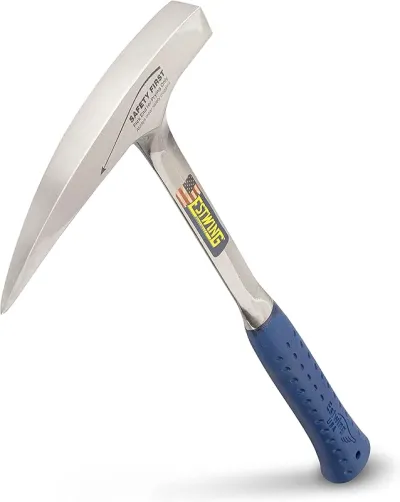
Estwing 22 oz Geological Pick
If you buy one hammer, make it this one.
Check price on Amazon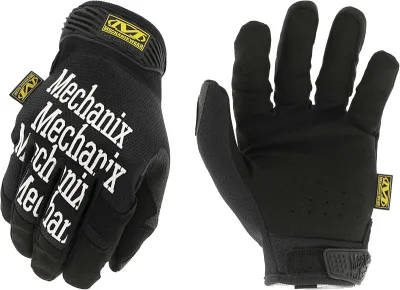
Mechanix Work Gloves with Grip
The default glove for collectors who need feel and protection.
Check price on Amazon
DEWALT DPG82 Concealer Safety Glasses
Buy two pairs — one lives in your pack permanently.
Check price on Amazon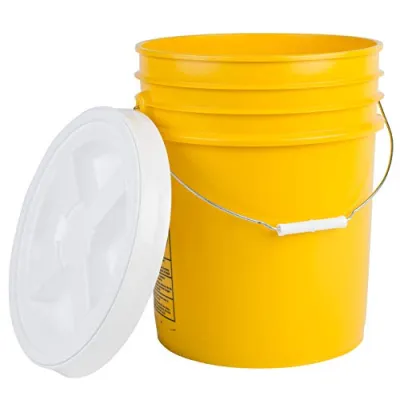
Hudson Exchange 5 Gallon Bucket with Gamma Seal Lid
The bucket setup serious diggers keep in the truck.
Check price on AmazonDisclosure: Gear links may earn a commission as an Amazon Associate — at no extra cost to you. Learn more.
Field tactics
- Go in the cool season. October through April is the sensible window; summer midday collecting is a medical risk.
- Walk slowly across flats where small pieces sit on the surface, and scan low-angle morning or late-afternoon light for translucent glints.
- Wet-test candidates with a spray bottle; dry chert and chalcedony can look identical.
- Use a hand lens for drusy linings and fine banding.
- Stay out of old workings. Concealed shafts and unstable ground exist across Arizona.
What to bring
A rock pick for trimming matrix, safety glasses, gloves, a bucket, sunscreen, and far more insulated water than you think you need. Offline maps matter because cell service fades fast. More packing detail is in essential rockhounding tools.
Common mistakes
- Visiting in July because the drive looks short on a map.
- Treating a pin on a map as proof of public access.
- Bringing power tools or digging deep holes on public land.
- Loading heavy chert that will never polish.
Nearby alternatives
The Florence agate area and Date Creek area offer other Arizona options. Beginners often do better on designated BLM rockhound areas such as the fire agate sites covered in the Arizona guide. If you want a keep-what-you-find day without land-status guesswork, try the dig-sites map.
Plan your next stop
Continue with the national hubs so you can compare digs, GPS distance, and state maps:
- Dig-sites map — national fee digs with fees and keep rules
- Near me GPS — sort sites by distance from you
- Arizona rockhounding map — GPS listings for this guide
- Collecting on BLM land — personal-use limits
Reality check
Burro Creek rewards prepared collectors with pretty, modest material and a good desert day. It does not reward unprepared ones. Verify the pin, carry the water, and leave the ground looking untouched.
Spots from our directory
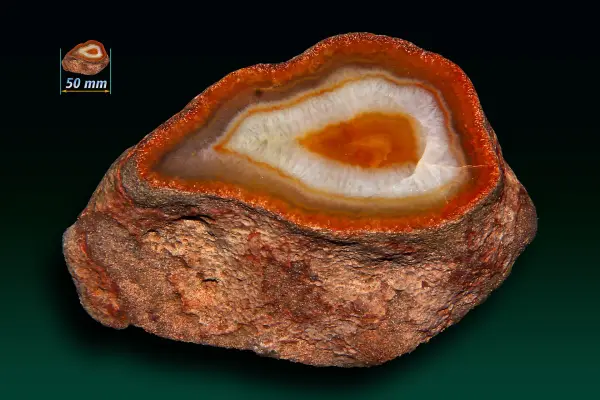
Under Burro Creek Bridge
Under Burro Creek Bridge is a documented mineral occurrence in Arizona. Reported specimens include Pink Agate. Verify land access and collecting rules before visiting.
View detailsFlorence Agate Area
Desert benches south of Florence contain fire agate in rhyolite flows, one of Arizona's most popular gem-mineral targets for patient collectors.
View detailsDate Creek Area
Date Creek area is a documented mineral occurrence in Arizona. Reported specimens include Agate, Garnet, Jasper, Limonite, Quartz crystals. Verify land access and collecting rules before visiting.
View detailsFrequently asked questions
Can you rockhound at Burro Creek Arizona?
Collectors research Burro Creek corridor gravel and bridge-access points for agate and jasper, but ownership, claims, and closures change. Open our Under Burro Creek Bridge listing, verify BLM/status, and never dig posted or claimed ground.
What do people find rockhounding Burro Creek?
Reports focus on agate, jasper, and related silica material in desert creek gravel — quality varies trip to trip. Treat finds as personal-use hobby material within applicable BLM limits when on eligible open parcels.
Is Burro Creek AZ rockhounding worth a day trip?
Yes for prepared collectors who want desert creek agate/jasper near bridge-access points — with heat, water, and ownership checks. Beginners often do better on designated Arizona BLM rockhound areas first.
Is Burro Creek a beginner trip?
Only with heat planning, water, and land-status checks. Arizona summers are dangerous; prefer cooler months and confirmed public parcels. Beginners may start at designated BLM rockhound areas in our Arizona guide first.