Yellowstone River agate is Montana gravel collecting for moss and fortification patterns — permission-first outside Yellowstone National Park, which bans all collecting.
Yellowstone River agate is one of the most famous names in American agate collecting, and one of the most misunderstood. It refers to Montana river gravel, hundreds of miles of it, not to anything inside Yellowstone National Park. The park bans removing rocks. The river downstream is a different story.
What you are looking for
The headline stone is Montana moss agate: translucent, often clear to bluish or slightly cloudy chalcedony holding black manganese or reddish-brown iron inclusions that look like trees, ferns or moss. Many pieces also show banding, plumes, tube or “eye” structures, or a lining of quartz crystals. The agates weather out of volcanic source rocks and ride the river into gravel bars and older terrace deposits, so you can find them in the active channel and in gravel layers tens of feet above it.
How to spot them in gravel
Rough pieces often look unremarkable: dull brown or black, pitted, or marked with small half-moon fracture scars. Sun-bleached agate in terraces can carry a distinct white crust, which is one of the easiest cues in undisturbed gravel. Wet everything. A spray bottle reveals translucency and inclusions that dry rocks hide. Hold a candidate to the light and look for glow at the thin edges, a waxy surface and a smooth curved break. Our general guide, how to spot an agate, covers the tests in more detail, and moss agate explains the inclusion types.
Things you need to go rockhounding in Montana
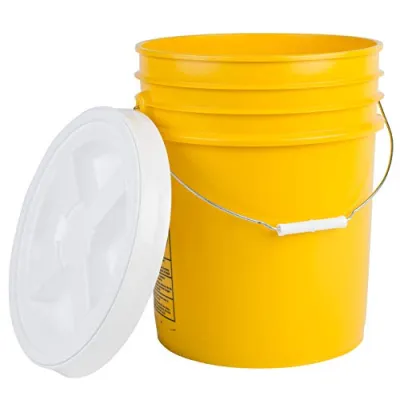
Hudson Exchange 5 Gallon Bucket with Gamma Seal Lid
The bucket setup serious diggers keep in the truck.
Check price on Amazon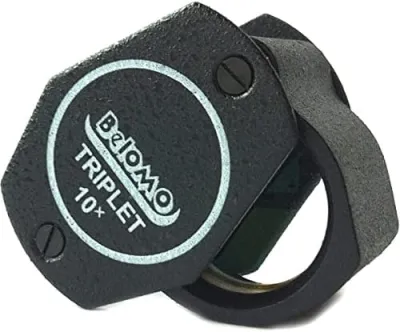
BelOMO 10x Triplet Loupe
The loupe to buy once and carry for decades.
Check price on Amazon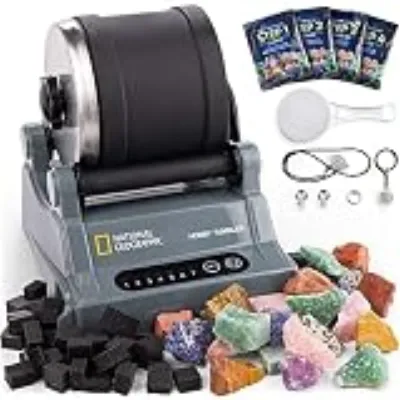
National Geographic Hobby Rock Tumbler Kit
If you want one rock tumbler kit that just works, start here.
Check price on AmazonDisclosure: Gear links may earn a commission as an Amazon Associate — at no extra cost to you. Learn more.
Access rules that matter
- Yellowstone National Park: zero collecting, including pebbles from the river.
- The river outside the park: Montana’s stream-access law lets the public use rivers up to the ordinary high-water mark, but it does not let you cross private land or enter posted ground to reach the water.
- Bridge and county-road rights-of-way can offer legal entry points; stay inside the right-of-way.
- Terraces and gravel pits are usually private. Ask the owner, and expect that some charge a modest day fee.
- BLM and state land: personal-use limits and parcel rules differ, so check the managing office.
Directory leads to research include Yellowstone River and Yellowstone River (Billings area). Confirm your exact access point is legal ground and well outside Yellowstone National Park before you pick up anything. Broader planning is in rockhounding in Montana and the Montana state hub.
Field tactics
Low water in late summer and fall exposes the most bar surface. Walk the downstream tails of gravel bars where water slows, and scan along the waterline where wet stones stand out. Bring a bucket, a hand lens, and shoes you do not mind soaking. Keep the first pass quick, saving only pieces that show translucency, then cull again at home.
Common mistakes
- Picking up river-smoothed quartzite and chert because they are the right size.
- Skipping the wet test and walking past dull-looking agates.
- Wading in high, cold water to reach a bar.
- Hopping a fence “just for a minute.”
Plan your next stop
Continue with the national hubs so you can compare digs, GPS distance, and state maps:
- Dig-sites map — national fee digs with fees and keep rules
- Near me GPS — sort sites by distance from you
- Montana rockhounding map — GPS listings for this guide
- Wyoming rockhounding map — GPS listings for this guide
- Agates near me — live agate distance sort
- Agates in the USA — national agate belts
Reality check
Montana agate is genuinely excellent, but the best pieces are cut and polished, and you will find far more plain translucent pebbles than showy moss specimens. Plan a day of walking rather than guaranteed treasure, and polish your best finds in a rock tumbler or leave them natural. For more prairie agate, see Wyoming.
Neighboring day-trip ideas
If river bars are posted, pivot to documented Montana fee experiences (sapphire screens) or Wyoming prairie silica with BLM checks — see Wyoming rockhounding. Do not “make up for” a blank river day inside Yellowstone National Park.
Frequently asked questions
Can you collect Yellowstone River agate?
Collectors hunt moss and fortification agate in Yellowstone River gravel where ownership allows. Much productive bank is private ranch land — get permission. Yellowstone National Park bans collecting entirely.
Is Yellowstone River agate inside the national park?
No. “Yellowstone River agate” usually means Montana river gravel outside park boundaries. Do not dig or pocket rocks inside Yellowstone National Park.