Alabama agate and star blue quartz are mostly permission-first farm and stream hunts — not open park digs. Use wet ID tests, ask landowners, and cross-check Georgia/Tennessee neighbors.
Alabama agate is a real thing, but it is not the kind of stone you scoop out of a signed public pit. Most of the colorful chalcedony people talk about comes from steep hollows and creek benches in the northeast corner of the state, and most of that ground has a landowner. Treat every pin you see online as a lead to research, not an invitation.
What Alabama agate actually is
The best-known name is Paint Rock agate, reported around the Paint Rock River valley in Jackson County, near Trenton. Collectors describe red, yellow, pink and sometimes green banded chalcedony weathering out where Mississippian limestone meets younger sandstone on the flank of the Cumberland Plateau. Pieces turn up as nodules still locked in limestone and as water-worn pebbles in gravel bars. Expect fortification banding, some moss and flame patterns, and a lot of plain chert that looks promising until you wet it.
Do not confuse it with star blue quartz
Alabama’s official state gemstone is star blue quartz, a different animal. It is blue quartz carrying aligned rutile needles that can produce a six-rayed star when cut as a cabochon. Reported source areas include the eastern Piedmont (Randolph, Clay and Cleburne counties) and the Flint River area of Madison County. Not every blue cobble shows a star, and plenty of “star blue” sold online is simply blue-gray quartz with a good story. Our directory has pins for Star Blue Quartz and Cheaha Quartz Outcrops if you want the quartz side of the state.
Things you need to go rockhounding in Alabama
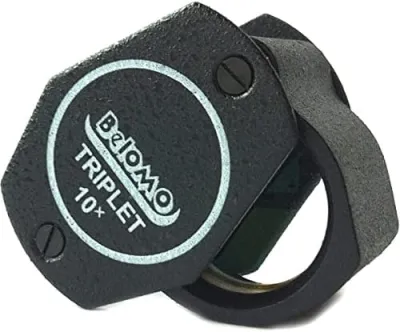
BelOMO 10x Triplet Loupe
The loupe to buy once and carry for decades.
Check price on Amazon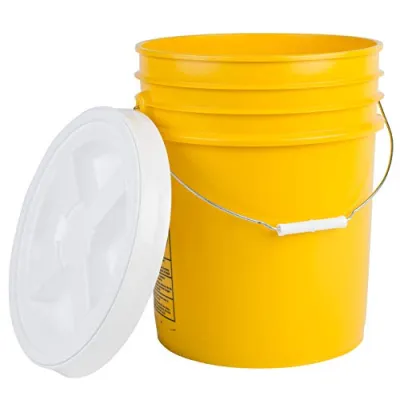
Hudson Exchange 5 Gallon Bucket with Gamma Seal Lid
The bucket setup serious diggers keep in the truck.
Check price on AmazonDisclosure: Gear links may earn a commission as an Amazon Associate — at no extra cost to you. Learn more.
Where to look, and how to stay legal
- Gravel bars and feeder streams. Wading a creek and scanning wet gravel is gentler than climbing the hillside benches, and the water does the sorting for you.
- Private land. Ask first. Many rural owners say yes to a polite request, especially if you offer to close gates and leave no holes.
- State parks and wildlife refuges. These generally prohibit removing rocks, and the Cheaha listing notes park rules apply. Look, photograph, leave it.
- National forest ground. Small personal-use collecting is often tolerated, but rules vary by forest, so call the district office.
Statewide context lives in our Alabama state hub and the rockhounding in Alabama guide. Neighbors worth cross-checking: Georgia and Tennessee.
Field tactics
Carry a spray bottle and a hand lens. Wet each candidate, then hold it so light passes through a thin edge. Real chalcedony glows; chert stays flat and chalky. Look for a smooth, curved conchoidal chip rather than a stepped break. Use a collecting bucket so you are not stuffing pockets with rocks you will cull in the parking lot. For identification basics, see how to spot an agate and the broader agate and jasper type page.
Common mistakes
- Trusting an old locality name without checking who owns it today.
- Hauling out heavy chert because it is “pretty when wet.”
- Climbing slick limestone ledges after rain for a single nodule.
- Assuming every blue Alabama quartz is star blue.
Plan your next stop
Continue with the national hubs so you can compare digs, GPS distance, and state maps:
- Dig-sites map — national fee digs with fees and keep rules
- Near me GPS — sort sites by distance from you
- Alabama rockhounding map — GPS listings for this guide
- Georgia rockhounding map — GPS listings for this guide
- Agates near me — live agate distance sort
- Agates in the USA — national agate belts
Reality check
Southeast agate is modest by western standards: smaller pieces, more weathering, and far less public access. If you want guaranteed keepers, a club trip with a landowner arrangement beats a solo scramble. Browse agates near you for verified listings, and never dig on land you cannot name the owner of.
Frequently asked questions
Can you find agate in Alabama?
Collectors report chalcedony, colorful “paint rock,” and stream silica in some farm and creek districts, but much productive ground is private. Get permission; treat old locality names as research leads, not open parks.
What is star blue quartz Alabama?
Star blue quartz is a collector/trade name for bluish quartz from some Alabama localities — often private. Confirm access; it is not a public fee-dig brand like Herkimer or Emerald Hollow.
Is Alabama agate the same as Lake Superior agate?
No. Lake Superior agates are glacial beach specialties of the Upper Midwest. Alabama material is southeastern stream and farm chalcedony with different colors and access rules.