Rockhounding in South Carolina centers on Piedmont amethyst and quartz — Diamond Hill Mine near Antreville is the clearest fee dig, while most farm localities need permission and state parks ban collecting. Use our South Carolina map for GPS and access notes.
Rockhounding in South Carolina is two hobbies sharing one state: Piedmont quartz and amethyst in the Upstate, and fossil shark teeth along the coast. The state gem is amethyst, but the realistic first answer for most visitors is a managed fee dig, not a roadside pasture near Due West. This guide is checked against operator and agency pages as of October 2026.
Use the South Carolina state hub as your South Carolina rockhounding map, then read each listing before you drive.
Goal → first stop
| What you want | Start here |
|---|---|
| Fee dig, keep what you find | Diamond Hill Mine |
| County context | Abbeville County |
| Named Piedmont leads | Shoals Junction · Donalds · Iva |
| Amethyst overview | Amethyst (SC) |
| Statewide GPS | South Carolina state hub |
| Nearby states | Georgia · North Carolina |
Land rules at a glance
| Land type | Collecting reality |
|---|---|
| Diamond Hill and other fee digs | Allowed under the operator’s rules and waiver; confirm fees and hours first |
| Private Piedmont farms | Written or clear verbal permission only |
| State parks | Removing rocks and minerals is generally prohibited |
| Sumter National Forest | Small surface samples for personal use only; no digging; a 2025 forest order also bans prospecting and gold panning |
| Beaches above low water | Loose shark teeth for personal use are generally fine unless a park or preserve says otherwise |
| Rivers and tidal water below low water | State Hobby License required |
Things you need to go rockhounding in South Carolina
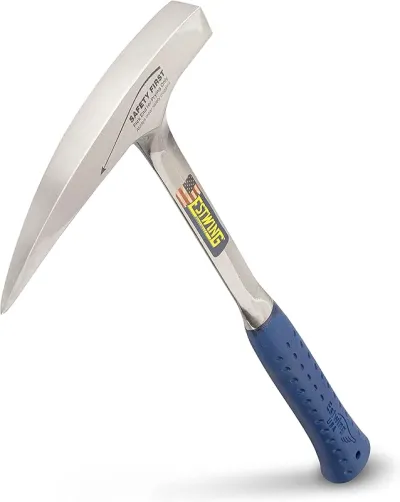
Estwing 22 oz Geological Pick
If you buy one hammer, make it this one.
Check price on Amazon
Mechanix Work Gloves with Grip
The default glove for collectors who need feel and protection.
Check price on Amazon
DEWALT DPG82 Concealer Safety Glasses
Buy two pairs — one lives in your pack permanently.
Check price on Amazon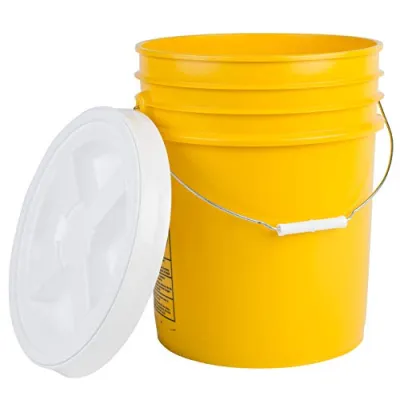
Hudson Exchange 5 Gallon Bucket with Gamma Seal Lid
The bucket setup serious diggers keep in the truck.
Check price on AmazonDisclosure: Gear links may earn a commission as an Amazon Associate — at no extra cost to you. Learn more.
Diamond Hill Mine — the dependable stop
Diamond Hill Mine sits near Antreville in Abbeville County and is the clearest pay-to-dig day in the state. The operator says the material is unsalted: you sift spoil piles left by past mining or try harder vein work. Quartz clusters are routine, including smoky and iron-stained varieties. Amethyst turns up but is never promised.
The published adult fee has been about $20, with lower rates for teens, seniors, children, and veterans, and the mine has listed daily hours with an afternoon sign-in cutoff. Facilities are basic (portable toilet, picnic tables, no running water). Bring a long screwdriver, gloves, a bucket or flat, and newspaper for wrapping. Night digging is banned and rock removal is capped at a car or truck load. Call the mine before a late arrival, and treat any blog’s prices as stale. For other managed digs, see our public gem mining checklist and fee dig vs free public land.
Amethyst country — permission first
South Carolina’s famous amethyst finds cluster near Due West, Lowndesville, and Antreville. Almost all of that ground is farmland or timber. Old mineral-guide pins are not access: ask the owner, leave gates as found, and expect “no” more often than “yes.” If permission is unclear, redirect to Diamond Hill or a club field trip.
National forest reality check
Sumter National Forest is often listed as free collecting, but the rules are tighter than the lists suggest. Federal guidance allows small amounts of common rock (generally around 10 lb) from the surface without a permit, and no digging. A forest-wide order issued in 2025 prohibits prospecting for hard-rock minerals, including panning for gold, and metal detectors are banned. Confirm the current order with the ranger district; do not assume a Georgia or Carolinas panning forum is current.
Lowcountry shark teeth
Fossil teeth are the easy coastal win. Folly Beach (east of the pier), Edisto Beach (near South Edisto Inlet and the groins), Cherry Grove, and the Myrtle Beach strip are the usual starting points; Morris Island is boat-access only. Hunt the wrack line after morning low tide, especially after renourishment.
Know the line: collecting teeth above the low-water mark is generally fine for personal use, but below it in state waters you need a SCIAA Hobby License and must hand-collect only exposed material, with no digging or screens. Some preserves and refuges (Botany Bay, Cape Romain) allow no collecting at all, and state parks ban removal. See our fossils near me tool for live sorting.
Planning tips
- Season: spring and fall; Upstate summers bring heat, ticks, and chiggers
- Kit: glasses, gloves, pick, chisel, buckets — essential rockhounding tools
- Expectations: clear and smoky quartz outnumber museum amethyst
- Cross-border: pair with Georgia and North Carolina fee mines for a longer gem trip
South Carolina rewards collectors who treat Diamond Hill plus verified permission as the answer for the Upstate, and a quiet low-tide walk as the answer on the coast.
Plan your next stop
Continue with the national hubs so you can compare digs, GPS distance, and state maps:
- Dig-sites map — national fee digs with fees and keep rules
- Near me GPS — sort sites by distance from you
- South Carolina rockhounding map — GPS listings for this guide
- North Carolina rockhounding map — GPS listings for this guide
- Public gem mining sites — fee-dig checklist
- Fee gems explained — pay-to-dig vs free land
Spots from our directory
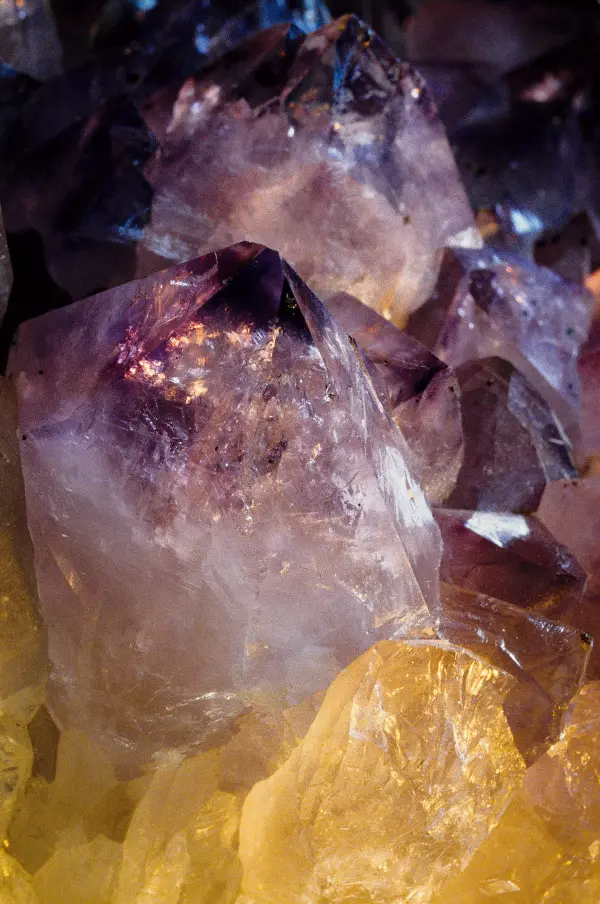
Diamond Hill Mine
A popular Upstate South Carolina fee mine where visitors dig for amethyst, smoky quartz, and occasional citrine crystals.
View detailsAbbeville County
Abbeville County is a documented mineral occurrence in South Carolina. Reported specimens include Beryl, Corundum, Epidote, Blue Jasper. Verify land access and collecting rules before visiting.
View detailsShoals Junction
Shoals Junction is a documented mineral occurrence in South Carolina. Reported specimens include Amethyst, Quartz crystals. Verify land access and collecting rules before visiting.
View detailsDonalds
Donalds is a documented mineral occurrence in South Carolina. Reported specimens include Amethyst. Verify land access and collecting rules before visiting.
View detailsIva
Iva is a documented mineral occurrence in South Carolina. Reported specimens include Amethyst. Verify land access and collecting rules before visiting.
View details
Amethyst
Amethyst is a documented rockhounding destination in SC. Collectors visit for mixed minerals and rocks and related material. Access rules and land ownership vary — confirm current status with the managing agency or landowner before collecting.
View detailsFrequently asked questions
Where can I go rockhounding in South Carolina?
The most dependable public keep-what-you-find option is Diamond Hill Mine near Antreville in Abbeville County — a fee dig for quartz and possible amethyst. Many other Piedmont localities are private farmland requiring permission.
What is South Carolina’s state gemstone?
Amethyst is South Carolina’s state gem. Historic finds near Due West, Lowndesville, and Antreville made the Piedmont famous — recreational collectors today usually dig at managed fee sites rather than unmarked farms.
Is rock collecting allowed in South Carolina state parks?
Generally no. Parks like Paris Mountain prohibit removing rocks and minerals. Plan fee digs or verified private permission instead of park trails.
How much does Diamond Hill Mine cost?
Published adult day fees are typically around $20 with discounts for youth, seniors, and veterans — confirm current prices and hours on the operator’s site before you drive. Bring your own tools; rentals are not the model here.
Is there a South Carolina rockhounding map?
Our South Carolina state hub lists Diamond Hill, Abbeville County amethyst context, and other cataloged sites with GPS and access notes.
Can beginners find amethyst in South Carolina?
Beginners should start at Diamond Hill Mine where spoil piles and veins are managed for visitors. Amethyst is possible but not guaranteed — clear and smoky quartz are more common.
Can I collect shark teeth on South Carolina beaches?
Loose shark teeth above the mean low-water mark are generally fine for personal collecting on public beaches unless a park, refuge, or preserve posts a ban. Below low water in state waters you need a SCIAA Hobby License, hand collection only, with no digging or screens.
Can I pan for gold in Sumter National Forest?
A forest-wide order issued in 2025 prohibits prospecting for hard-rock minerals, including gold panning, in the Francis Marion and Sumter National Forests, and metal detectors are banned. Confirm the current order with the ranger district before you go.