Rockhounding for beginners means choosing a legal easy first trip (fee dig, documented beach, or club outing), packing a small kit, learning land-type rules, and looking for common materials like quartz, agate, and jasper — not jewelry-grade gems on day one.
Rock Hounding Kits comparison chart
| Product | Price | Pieces | Hammer | Bag type | Best for | Buy |
|---|---|---|---|---|---|---|
| Best overall38pc Deluxe Rock Hounding KitASR Outdoor | $110 approx. | 38 | 20 oz forged pick | Deluxe nylon musette | Serious beginners | Check price on Amazon |
| Most popular17PCS Rock Pick Hammer KitINCLY | $66 approx. | 17 | 32 oz pick | Canvas musette | All-around field days | Check price on Amazon |
| Best complete kit26PCS Upgrade Geology KitINCLY | $75 approx. | 26 | 33.8 oz pick | Musette + accessories | Extended expeditions | Check price on Amazon |
| Best value15 PCS Geology Rock Pick KitINCLY | $43 approx. | 15 | 32 oz pick | Musette bag | Budget starters | Check price on Amazon |
| Best bag & organizationRockhound Deluxe 15-Piece SetEsterno | $49 approx. | 15 | 28 oz drop-forged | Canvas musette (WWII style) | Organized collectors | Check price on Amazon |
| Best for beginners14PCS Geology Rock Hounding KitCKJSJ | $40 approx. | 14 | 30 oz pick | Canvas backpack | First-time rockhounds | Check price on Amazon |
| Best for geodes7 Pcs Sledge & Pick KitINCLY | $46 approx. | 7 | 3 lb sledge + 32 oz pick | Tool roll (no bag) | Breaking hard nodules | Check price on Amazon |
| Best backpack kit17 PCS Backpack Hammer KitA Peerless Shovel | $70 approx. | 17 | 32 oz pick | Heavy-duty backpack | Hiking to dig sites | Check price on Amazon |
| Largest kit55-Piece Geology Hammer KitXXTTWW | $80 approx. | 55 | 32 oz pick | Rolling tool case | Group trips & clubs | Check price on Amazon |
| 16-Piece Backpack Hammer KitYTYLSJ | $45 approx. | 16 | 32 oz pick | Yellow backpack | Beginners on a budget | Check price on Amazon |
| 25PCS Rock Hammer KitDigNew | $55 approx. | 25 | 32 oz pick | Backpack | Gold panning trips | Check price on Amazon |
| 16 PCS Geology Hammer KitGeneric | $50 approx. | 16 | 22 oz pick | Musette backpack | Lighter hammer preference | Check price on Amazon |
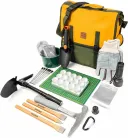
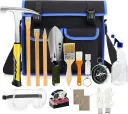
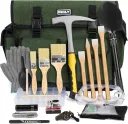
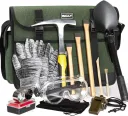
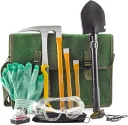
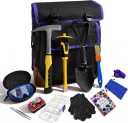
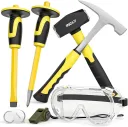
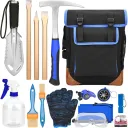
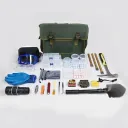
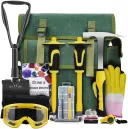
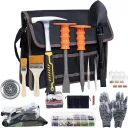
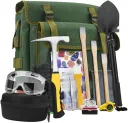
Rockhounding for beginners is recreational collecting of rocks, minerals, and fossils on land where it is legal. You do not need a geology degree, a metal detector, or a $500 kit. You need a legal first trip, a tiny pack, and realistic expectations — rough field finds rarely look like shop specimens until they are cleaned or cut.
This hub is your how to start rockhounding page. It links our directory, dig catalog, packing and tools guides, and starter kits — without replacing those deeper pages.
How to start rockhounding (answer first)
- Choose one beginner path (fee dig, documented beach/gravel bar, or club trip).
- Confirm land status for that exact spot the week you go.
- Pack a minimum kit (and rent tools at fee digs when possible).
- Look for common materials — quartz, agate, jasper — and label where you found them.
- Stop when you hit quantity limits or daylight; leave the hole filled and the place cleaner than you found it.
Use near-me GPS once you know your region, or jump to dig sites for managed mines.
First decision: three starter paths
| Path | Best for | Tradeoff | Start here |
|---|---|---|---|
| Fee dig | Highest odds, bathrooms, staff tips | Day fee; sometimes tool rental | Dig sites catalog · Public gem mining guide |
| Documented beach / gravel / BLM surface | Low cost, good for kids | Weather and tide dependent; fewer “wow” gems | Agates near me · Fee dig vs free land |
| Club field trip | Safety + legality coaching | Must join / schedule | Local gem & mineral club via AFMS region directories |
If you only take one tip from this page: do not invent a random pin on Google Maps and start digging. Use documented listings.
Land types cheat sheet
| Land type | Usually OK for beginners? | Notes |
|---|---|---|
| BLM | Often yes (casual personal use) | Hand tools, personal-use limits; no claims; fill holes → Collecting on BLM land |
| National Forest | Often yes at open sites | Wilderness and some special areas ban collecting |
| Fee dig / private mine | Yes with paid access | Follow keep rules and staff directions |
| State park / natural area | Sometimes | Many ban collecting; Oregon Succor Creek is a rare souvenir exception |
| National Park | No | Observe and photograph only |
| Private land / mining claim | Only with permission | “Looks empty” is not permission |
When unsure: land manager website → map overlays → claims → material limits → call the field office. Our rockhounding maps guide covers the research workflow.
Minimum kit for trip #1
You do not need every tool in the garage.
Surface / beach day
- Sturdy shoes or waterproof boots
- Water + sun protection
- Bag, bucket, or mesh sack
- Optional: gloves, spray bottle to wet rocks
Breaking rock / fee dig / thunderegg bed
- Rock hammer or pick (rock hammers guide)
- Safety glasses and gloves
- Bucket
- Optional: chisel, knee pads, hand lens
Buy vs rent vs kit
- Many fee digs rent hammers and screens — smart for trip one.
- A rockhounding kit is convenient if you will go more than once.
- Full tool deep-dive: essential rockhounding tools.
- Buy list (equipment vs supplies): rockhounding equipment & supplies.
- Environment packing: what to bring rockhounding.
Compare starter kits below, then expand only after you know your style.
What to look for first
Beginners waste energy chasing rare gems. Start with materials you can actually recognize:
- Quartz — glassy, hard, common in veins and fee digs (quartz specimen map)
- Agate / jasper — banded or opaque chalcedony on beaches and desert pavements (agate · jasper · Agates in the USA)
- Geodes — dull balls that may be hollow (geodes near me)
Field habits that beat gear
- Wet the rock — color and banding appear.
- Look where gravity concentrates material (gravel bars, wash bottoms, lag deposits).
- Note GPS or landmark before you pocket a piece.
- Do not smash every rock “to see inside” on public land — cut at home or a shop.
- Photo ID apps help triage; they are not final ID → rock ID apps.
Your first trip checklist
- Pick the path (fee dig / beach / club).
- Open the listing page — fees, season, keep rules, coordinates.
- Check weather, tide (coast), fire closures, and road status.
- Tell someone your plan if the site is remote.
- Pack water first, tools second.
- Arrive with time to learn the site before midday heat or rising tide.
- Collect within limits; fill holes; pack out trash.
- At home: wash gently, label locality, decide what to cut or display.
Safety overview: rockhounding safety basics. Seasons: best time to go rockhounding.
Beginner-friendly destinations (teasers)
These are proven first trips — open each page for current access:
| Destination | Why it works for beginners |
|---|---|
| Crater of Diamonds State Park (AR) | Keep what you find; facilities; iconic first dig |
| Herkimer Diamond Mines (NY) | Managed quartz crystal fee digs |
| Dugway Geode Beds (UT) | Free BLM geodes — desert prep required |
| Agate Beach / Newport (OR) | Easy surface collecting after storms at low tide |
| White Fir Spring (OR) | Public thunderegg bed when forest roads are open |
More options: public gem mining sites, best rockhounding sites in America, and state guides such as Oregon, Utah, and Arkansas.
Rockhounding for kids (short)
Kids do best at managed digs and easy beaches, not remote claim country. Skip heavy hammers for young children; focus on looking, sorting, and labeling. Site ideas: family-friendly rockhounding sites.
Mistakes that waste a first day
- Digging in a national park “just one pebble.”
- Trusting a decade-old blog pin (example: Oregon’s Richardson’s ranch digging is permanently closed — shop only).
- Buying a huge kit before one trip.
- Ignoring tide tables on the coast.
- No water in desert heat.
- Overcollecting material you will never clean or cut.
- Skipping labels — unlabeled rocks become drawer noise.
Next steps after trip one
- Join a local gem & mineral club for legal field trips.
- Read what is rockhounding if you want the hobby definition and ethics frame.
- Build tools slowly via essential tools and our gear comparisons.
- Plan trip two with near-me or a regional guide.
Bottom line: start small, start legal, start documented. The hobby rewards curiosity more than expensive gear — and our map exists so you are never guessing which dirt is fair game.
Spots from our directory

Crater Of Diamonds State Park
Arkansas state park at Murfreesboro built on the eroded surface of a lamproite volcanic pipe, the only place in the world where the public can search for natural diamonds in their original source rock and keep whatever they find.
View details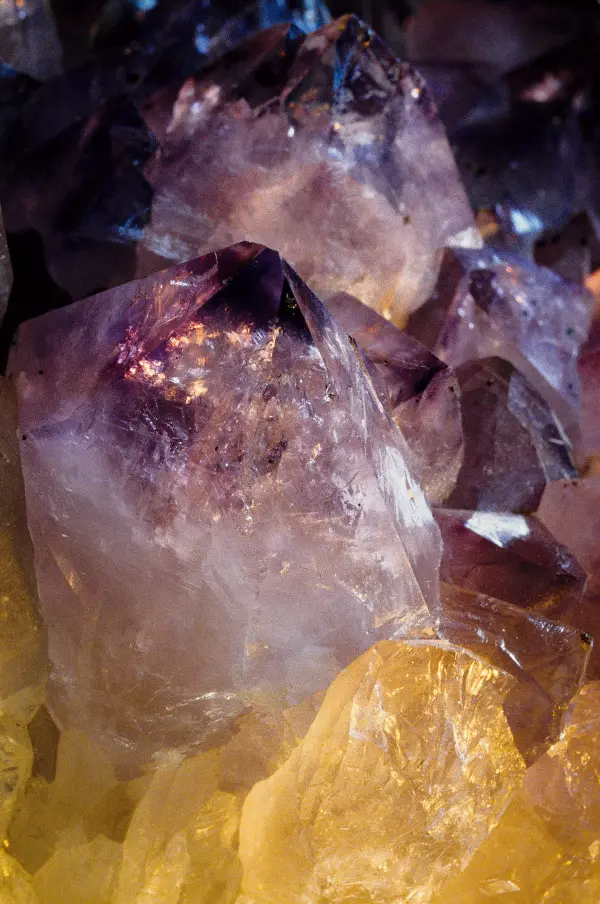
Herkimer Diamond Mines
Fee-dig quarries in the Mohawk Valley near Herkimer and Middleville, New York, where doubly terminated quartz crystals known as Herkimer diamonds are broken out of vugs in Cambrian dolomite roughly 500 million years old.
View details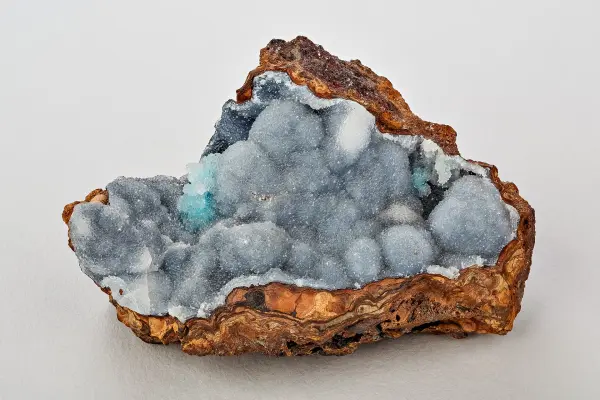
Dugway Geode Beds
Public BLM geode locality in western Juab County, Utah, where Miocene rhyolite cavities were eroded by ancient Lake Bonneville and redeposited as quartz-lined geodes in soft lakebed sediment along the Pony Express Road.
View details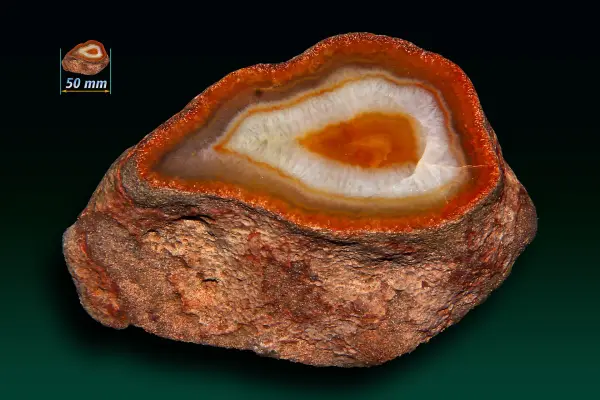
Agate Beach
Agate Beach is a documented mineral occurrence near OR. Reported specimens include Agate, Moonstone, Jasper, Chalcedony. Verify land access and collecting rules before visiting.
View detailsWhite Fir Spring
White Fir Spring is a documented mineral occurrence near OR. Reported specimens include Thundereggs. Verify land access and collecting rules before visiting.
View detailsFrequently asked questions
How do I start rockhounding with no experience?
Pick one legal beginner path — a fee dig with facilities, a documented beach or gravel bar, or a club field trip — bring a tiny kit, collect only what the land rules allow, and treat success as a few labeled finds, not jewelry-grade gems.
What do I need to start rockhounding?
For a first surface trip you need sturdy shoes, water, sun protection, a bag or bucket, and optional gloves. Add a rock hammer, safety glasses, and gloves if you will break rock at a fee dig or thunderegg bed. A starter kit is optional but convenient.
Is rockhounding legal?
It depends on the land. Casual personal collecting is often allowed on many BLM and National Forest areas within limits. National parks generally ban collecting. State parks vary. Private land and mining claims require permission. Always verify the specific site.
Do I need a license or permit to rockhound?
Most casual BLM collecting does not need a special permit within personal-use limits. Some Forest Service sites, state parks, and all commercial collecting require permits. Fee digs sell day access instead of a government permit.
Can I keep what I find?
On legal casual-collecting land and at fee digs that advertise keep-what-you-find rules, yes within posted limits. Parks that ban collecting mean you keep nothing. Always read the listing and land manager rules for the day you visit.
Where can beginners go rockhounding near me?
Use our near-me GPS hub to sort documented sites by distance, then open each listing for fees and access. Prefer fee digs or well-documented public beaches and BLM surface sites for trip one.
What is the best first rockhounding trip?
A managed fee dig (diamonds, Herkimer quartz, sapphires) or a storm-season beach agate day. Both teach looking and labeling without remote desert risk.
Is rockhounding expensive?
A first surface day can cost almost nothing beyond travel. A basic kit is often under $50–$150. Fee digs add day fees and optional tool rental — still cheaper than buying finished specimens at the same quality of experience.
What rocks should beginners look for first?
Quartz, agate, jasper, and common beach or workshop material. Wet a rock to see color and banding. Do not expect gemstone jewelry from trip one.
Can kids go rockhounding?
Yes at managed fee digs and easy beaches. Skip remote desert and heavy hammer work for young children. See our family-friendly digs guide for site picks.
Do I need a rock hammer on my first trip?
Not for beach or surface gravel collecting. Yes for thunderegg beds, quarry fee digs, and breaking nodules. Rent tools at many fee digs before you buy.
What’s the best state for beginner rockhounding?
There is no single best state. Arkansas diamonds, New York Herkimer mines, Oregon beaches, and Utah BLM geode areas are classic first trips — choose by drive time and season.