Rockhounding in Alaska centers on Nome-area beach gold research, managed gold digs, Jade Creek nephrite, and coastal agate — short seasons and claims rule the trip. Use our Alaska map for GPS.
Rockhounding in Alaska is logistics-first. The state is huge, mostly roadless, and divided among federal, state, Native corporation, and private owners. Gold, jade, and garnet are real, but the field season is short and the best material is often far from pavement.
Use the Alaska state hub for GPS, and treat remote pins as planning leads.
Goal → first stop
| What you want | Start here |
|---|---|
| Beach gold | Nome beach gold |
| Easy fee-style gold panning | Crow Creek gold mine |
| State recreational gold area | Petersville |
| Jade research | Jade Creek · turquoise and jade guide |
| Garnet gravels | Thompson Pass garnet beach |
| Statewide GPS | Alaska state hub |
Land rules cheat sheet
| Land type | Collecting reality |
|---|---|
| BLM Alaska | Casual collecting of reasonable amounts may be allowed on open land, but claims and special management areas are common. Verify with the field office. |
| State land (DNR) | Recreational panning rules vary. Petersville is a designated state recreational mining area, so read its rules before you go. |
| Tidelands and beaches | Often public below the mean high-tide line, but upland claims and offshore leases can overlap. |
| National parks and preserves | Collecting is generally prohibited. Check each unit. |
| Native corporation land | Permission or permit required. Treat it as private. |
| Mining claims | Active claims are off-limits without owner permission. |
Things you need to go rockhounding in Alaska
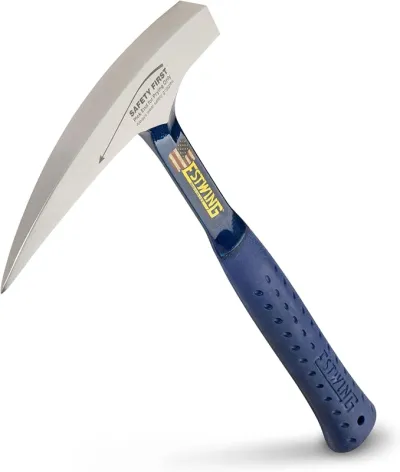
Garrett Gravity Trap Gold Pan Kit
Start here — it is the pan most tutorials assume you have.
Check price on Amazon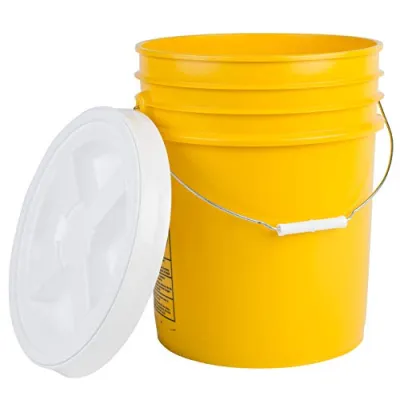
Hudson Exchange 5 Gallon Bucket with Gamma Seal Lid
The bucket setup serious diggers keep in the truck.
Check price on Amazon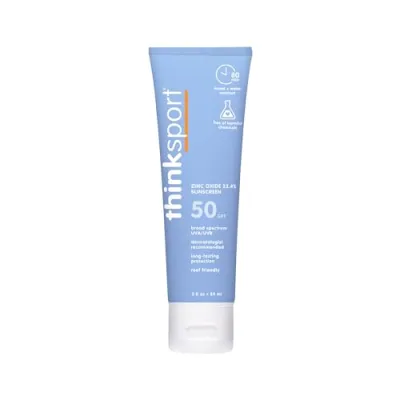
ThinkSport Sport Mineral Sunscreen
The best blend of mineral protection and wearability for field work — start here.
Check price on Amazon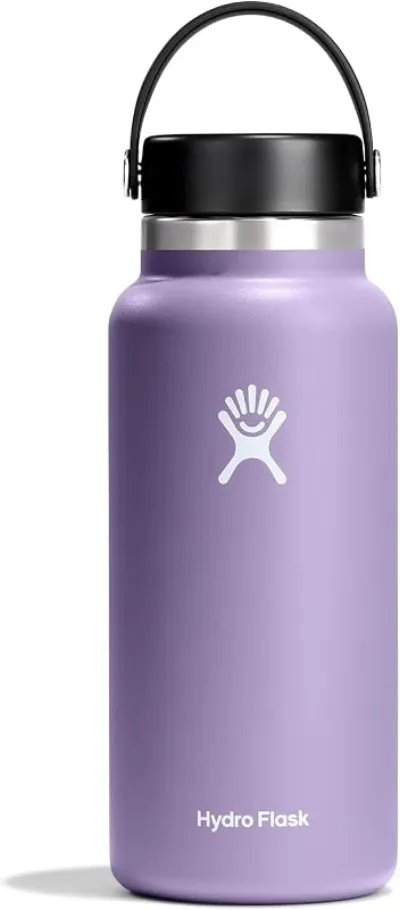
Hydro Flask Wide Mouth Bottle
A do-everything bottle that holds ice through a full hot day at the water.
Check price on AmazonDisclosure: Gear links may earn a commission as an Amazon Associate — at no extra cost to you. Learn more.
Nome beach gold
Nome is Alaska’s signature beach-gold story. Fine gold concentrates in black sand along the Bering Sea shore, and visitors pan and sluice in summer. Expect cold water, wind, and small flakes, not nuggets. Local claims can sit close to open beach, so pay attention to posted signs and ask at the visitor center. Roads from Nome reach the beach, but the town itself is reachable only by air or sea.
Crow Creek and Petersville
Near Girdwood, Crow Creek is the classic managed stop for first-timers, with a small fee and clear boundaries. North of Denali, Petersville offers designated state ground for recreational panning, but the road is rough and bears are real. Both are summer destinations.
Jade and the Brooks Range
Alaska’s state gem is jade (nephrite), and the headline source is the Kobuk/Jade Mountain region of the Brooks Range. That is fly-in country with Native corporation and park-adjacent land. Casual visitors should not plan a field trip there. If jade is your goal, buy finished material from Alaska shops or join a guided program. The Jade Creek listing is for context.
Garnet and coastal agate
Thompson Pass sits near Valdez and Cordova country, where garnet-rich schist sheds dark almandine crystals into gravels. Pieces are often small and fractured, but roadside access makes them a friendly target when the pass is open. Coastal storm beaches can yield agate and jasper too, with tides and surf as major hazards.
Season, safety, and gear
- Best window: roughly June through August
- Cold and wet: waders or rubber boots, layers, and hand protection
- Wildlife: carry bear spray, make noise, and keep food sealed
- Planning: check road status, fuel, and ferry or flight schedules; download offline maps
- Kit: gold pan, bucket, sunscreen, and an insulated bottle
- Live sort: near me · gold panning near me
Plan your next stop
Continue with the national hubs so you can compare digs, GPS distance, and state maps:
- Dig-sites map — national fee digs with fees and keep rules
- Near me GPS — sort sites by distance from you
- Alaska rockhounding map — GPS listings for this guide
- Fee gems explained — pay-to-dig vs free land
Reality check
Alaska is not a free-for-all despite the open space. Claims dot gold country, parks ban collecting, Native lands need permission, and the season is brief. Pick one accessible, managed stop, book logistics early, and use the Alaska state hub for research.
Spots from our directory

Nome Beach Gold
Nome's famous gold-bearing beaches still reward recreational miners with panning and sluicing along the Bering Sea shore.
View details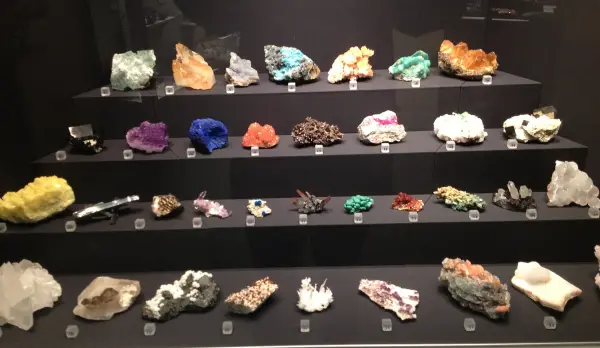
Jade Creek Jade Locality
The Jade Mountains along the eastern border of Kobuk Valley National Park in Alaska's Brooks Range, the legendary source of Alaskan nephrite jade. Half the range lies inside the national park where collecting is prohibited, and most of the rest is NANA Regional Corporation land requiring permission.
View detailsCrow Creek Gold Mine
Crow Creek Gold Mine is a documented mineral occurrence in Alaska. Reported specimens include Gold. Verify land access and collecting rules before visiting.
View details
Thompson Pass Garnet Beach
Roadside garnet schist along the Richardson Highway between Valdez and Thompson Pass, Alaska, where almandine weathers out of Chugach metamorphic rock into Lowe River gravels and the cut banks of Keystone Canyon.
View detailsPetersville Recreational Gold Area
Peters Creek drainage north of Denali offers permitted recreational gold panning and sluicing in designated stream reaches.
View detailsFrequently asked questions
Where can I go rockhounding in Alaska?
Coastal beach gold (Nome corridor research), managed gold digs like Crow Creek when open, Jade Creek nephrite country, and storm beaches for agate are the realistic hobby paths. Logistics and seasons dominate — use our Alaska state hub for GPS.
Can beginners rockhound in Alaska?
Prefer road-accessible fee digs and beaches with clear rules over remote bush pins. Short seasons, expensive logistics, and claims are common. Pack serious gear and offline maps.
Is there an Alaska rockhounding map?
Our Alaska state directory lists gold, jade, and beach pins with GPS. Treat remote listings as planning leads, not day-trip guarantees.
Where is jade in Alaska?
Nephrite jade localities include Jade Creek country — remote Arctic/field conditions. Read the listing and plan with serious logistics; parks and claims still apply.
Can you pan for gold on Nome beaches?
Recreational panning and sluicing are popular on public beach ground below the tide line near Nome, but upland and offshore claims exist. Check current city, state, and claim rules, avoid posted ground, and expect cold water and wind.
Is gold panning free in Alaska?
Not everywhere. Some state and federal land allows casual hand-tool panning, while claims, Native corporation land, parks, and designated recreational areas each have their own rules. Check the managing agency or use a fee attraction if status is unclear.