Rockhounding in Minnesota centers on Lake Superior agates along the North Shore — use our Minnesota agate map for GPS, respect park bans, and ID candidates with wet translucency tests.
Rockhounding minnesota almost always means Lake Superior agates, the banded red-orange chalcedony that tumbles out of ancient lava flows and rolls onto North Shore gravel. Minnesota adopted the Lake Superior agate as its state gemstone, and the hunt is popular precisely because it is a walk, not a dig. It is also a place where park rules and private shoreline matter as much as luck.
Goal → first stop
| What you want | Start here |
|---|---|
| North Shore agates | Lake Superior Agate North Shore |
| Polished or ID context | Lake Superior Agate (polished) |
| Thomsonite and chlorastrolite | Thomsonite Beach |
| Mining-district context | Cuyuna Iron Range pit lakes · Birch Lake |
| Region hub | Lake Superior agates |
| Statewide GPS / Minnesota agate map | Minnesota state hub |
Minnesota rockhounding map
Open the Minnesota directory as your minnesota agate map. Sort with where to find agates near me, then read each shoreline’s rules before choosing a beach.
Things you need to go rockhounding in Minnesota
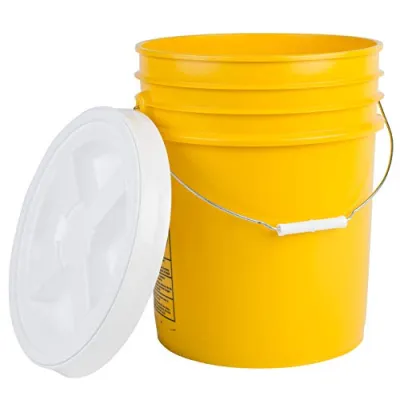
Hudson Exchange 5 Gallon Bucket with Gamma Seal Lid
The bucket setup serious diggers keep in the truck.
Check price on Amazon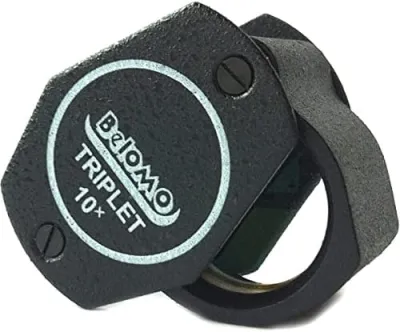
BelOMO 10x Triplet Loupe
The loupe to buy once and carry for decades.
Check price on Amazon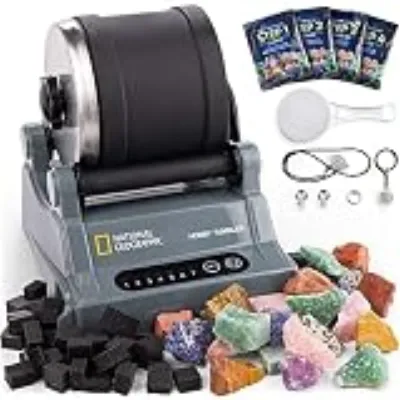
National Geographic Hobby Rock Tumbler Kit
If you want one rock tumbler kit that just works, start here.
Check price on Amazon
ThinkSport Sport Mineral Sunscreen
The best blend of mineral protection and wearability for field work — start here.
Check price on AmazonDisclosure: Gear links may earn a commission as an Amazon Associate — at no extra cost to you. Learn more.
Land rules cheat sheet
| Land type | Collecting reality |
|---|---|
| Minnesota state parks (Gooseberry, Split Rock, Tettegouche and others) | Many park shores are look-only. Read posted rules and DNR guidance before pocketing stones. |
| Municipal and public wayside beaches | Surface picking is the norm where it is not posted against. Follow local signs. |
| Superior National Forest | Casual surface collecting is often tolerated, but forest orders and wilderness boundaries apply. Ask the district. |
| Private shoreline, resorts, docks | Off-limits. Do not cross lawns or stairs to reach a beach. |
| Gravel pits and quarries | Usually private and insured. Ask the operator. |
| Pipestone National Monument | Quarrying is reserved for Native American use. Visitors do not collect. |
| State recreation areas and former mine land | Managed for recreation and safety. Treat as look-only unless the manager says otherwise. |
Lake Superior agate tactics
- Walk fresh gravel after storms, spring ice shove, or heavy surf
- Wet candidates and look for fortification banding, a waxy luster, and pitted skin (how to spot an agate)
- Hunt in low-angle light, such as early morning or late afternoon, when translucency pops
- Stay off beaches that ban removal and leave bluffs alone
- Keep expectations small: dozens of tiny chips for every palm-sized keeper
Thomsonite Beach and the North Shore stops
Thomsonite Beach is listed for thomsonite nodules and chlorastrolite, a green gem mineral also prized in Michigan. Those rocks are softer and scarcer than agate, and some Lake Superior shores near them are protected. Confirm the current manager and any posted limits before collecting. Towns like Two Harbors, whose Agate Bay carries the name, and Grand Marais make useful bases because lodging, maps, and rock shops cluster there.
Inland and mining listings
Lake Superior agates are also carried inland by glaciers, so you will hear about southern Minnesota gravel pits and river bars. These are almost always private. Cuyuna Iron Range pit lakes offer scenic flooded mine pits, managed as a recreation area, while Birch Lake is an exploration-style mineral prospect, not a hobby beach. Use both for context, not as digging spots.
Season and safety
- Best timing: after northeast storms and in spring after the ice moves; summer crowds pick beaches clean, so go early
- Cold water: Lake Superior stays cold even in July, so never wade for a stone
- Footing: wet basalt is slick; wear boots with traction and keep clear of surf
- Polish finds: rock tumbler rocks
Planning tips
- Pair the beach walk with the Michigan guide and Wisconsin hub for a full shoreline trip
- Bring a bucket, hand lens, and sunscreen; hats help on bright gravel
- Live sort: near me GPS
Plan your next stop
Continue with the national hubs so you can compare digs, GPS distance, and state maps:
- Dig-sites map — national fee digs with fees and keep rules
- Near me GPS — sort sites by distance from you
- Minnesota rockhounding map — GPS listings for this guide
- Wisconsin rockhounding map — GPS listings for this guide
- Fee gems explained — pay-to-dig vs free land
Reality check
Minnesota rewards storm-chasers and patient walkers. Treat the North Shore gravel as the main event, check each beach’s rules, and expand inland only with explicit permission.
Spots from our directory
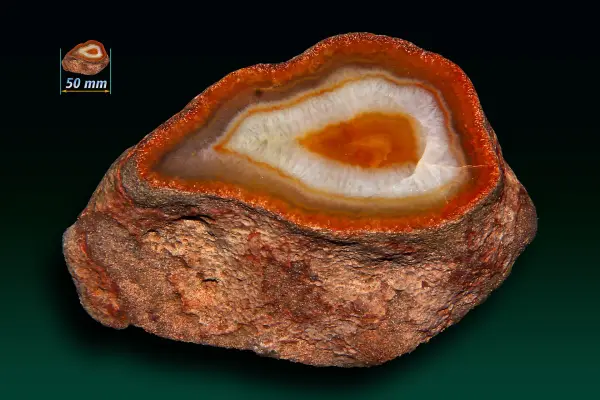
Lake Superior Agate North Shore
Minnesota's North Shore from Duluth to Grand Portage, where Lake Superior agates formed 1.1 billion years ago in Midcontinent Rift lava and now turn up in the cobble beaches. Collecting is prohibited in state parks, waysides and scientific and natural areas, so public beaches are the ground to work.
View detailsLake Superior Agate (polished)
Lake Superior Agate (polished) is a documented rockhounding destination in MN. Collectors visit for agate, jasper, chalcedony and related material. Access rules and land ownership vary — confirm current status with the managing agency or landowner before collecting.
View details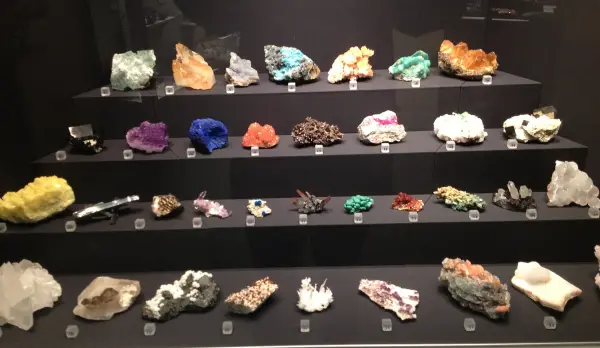
Thomsonite Beach
Thomsonite Beach is a documented mineral occurrence in Minnesota. Reported specimens include Chlorastrolite, Lintonite, Thomsonite nodules. Verify land access and collecting rules before visiting.
View detailsBirch Lake
Birch Lake is a mineral prospect in St. Louis, Lake, Minnesota, documented by the USGS Mineral Resources Data System. Reported specimens include Azurite, Chrysocolla, Cobalt, Copper, Gold, Malachite.
View detailsCuyuna Iron Range Pit Lakes
Flooded iron mine pits of the Cuyuna Range offer clear-water diving and shorelines with jasper and hematite specimens.
View detailsFrequently asked questions
Where can I go rockhounding in Minnesota?
Lake Superior’s North Shore is the classic hunt for Lake Superior agates in beach gravel. Use our Minnesota state hub as a Minnesota agate map, confirm park vs public beach rules, and bring a bucket for surface picking.
Where is the best agate hunting in MN?
Agate hunting MN almost always means Lake Superior North Shore gravel after storms or ice shove — not inland crystal mines. Confirm which beaches allow surface collecting; many state park shores are look-only.
Is there a Minnesota agate map?
Yes — our Minnesota state directory lists North Shore agate, thomsonite beach context, and related pins with GPS. Pair with the Lake Superior agates region hub for multi-state shoreline planning.
Is there a Lake Superior agate map?
Use our Lake Superior agates region hub plus Minnesota, Michigan, and Wisconsin state maps as the practical Lake Superior agate map — storm beaches with park-rule checks.
Where can I find Minnesota agate?
Minnesota agate almost always means Lake Superior North Shore gravel after storms — confirm beach vs state-park rules. Use this guide and the Minnesota agate map.
Can I collect Lake Superior agates in state parks?
Many Minnesota state park beaches prohibit removing rocks. Hunt town or other public shorelines where surface collecting is allowed, and leave park beaches look-only when posted.
When is the best time for Minnesota agate hunting?
After storms and in spring when ice shove refreshes gravel. Summer crowds pick beaches clean; early morning helps.