Rockhounding in Texas centers on Ladonia fossils, ranch agate digs, and Mason County topaz with permission — use our Texas fossil map for GPS and confirm fees before you drive.
Rockhounding in Texas is mostly permission-based. Less than five percent of the state is public land, parks ban removing rocks, and the famous agate and topaz country sits on private ranches. The public exceptions are a few fossil sites and paid or guided access. This guide is checked against operator, city, and agency pages as of October 2026.
Use the Texas state hub as your Texas fossil map and agate/topaz index, then confirm each stop before you drive.
Goal → first stop
| What you want | Start here |
|---|---|
| North Texas fossils | Ladonia Fossil Park |
| Ranch agate (Big Bend / Trans-Pecos) | Woodward Ranch Agate |
| Topaz research | Mason County Topaz Area · Ranches W of Mason |
| West Texas agate context | Terlingua Agate Fields |
| Statewide GPS | Texas state hub |
| Neighbors | Oklahoma · New Mexico |
Land rules at a glance
| Land type | Collecting reality |
|---|---|
| Texas state parks and natural areas | Taking rock, gem, mineral, or fossil is prohibited without a TPWD permit |
| National parks (Big Bend, Guadalupe Mountains) | Collecting rocks, fossils, and artifacts is illegal |
| State and local government land | The Antiquities Code bars artifact collecting without a permit |
| Army Corps lake land | Federal artifact rules apply; ask the project office |
| Ranches | Fee or guided access only; trespass is a crime |
| Designated fossil park | Follow the posted park rules |
Things you need to go rockhounding in Texas
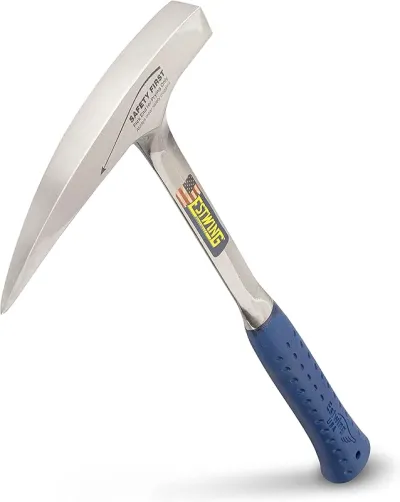
Estwing 22 oz Geological Pick
If you buy one hammer, make it this one.
Check price on Amazon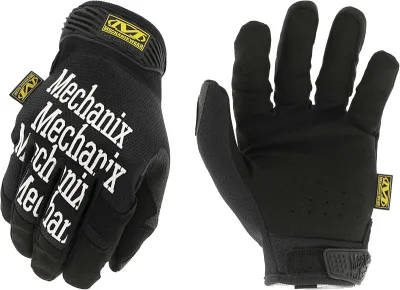
Mechanix Work Gloves with Grip
The default glove for collectors who need feel and protection.
Check price on Amazon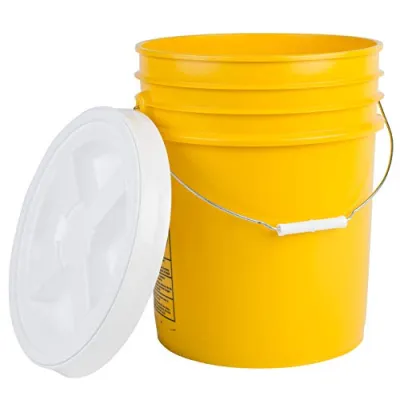
Hudson Exchange 5 Gallon Bucket with Gamma Seal Lid
The bucket setup serious diggers keep in the truck.
Check price on Amazon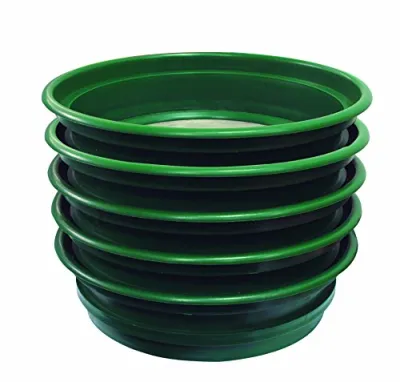
SE 5-Pack Stackable Classifier Set
If you buy one classifying kit, buy this set.
Check price on AmazonDisclosure: Gear links may earn a commission as an Amazon Associate — at no extra cost to you. Learn more.
Fossils at Ladonia
Ladonia Fossil Park on the North Sulphur River is the beginner-friendly free stop. A new permanent park opened near FM 904 below Leon Hurse Dam, so older directions to the Highway 34 crossing may point to the previous site. It is open dawn to dusk, with digging allowed in the riverbed inside the park but not in the posted mitigation area upstream. Motorized vehicles, camping, and fires are prohibited.
Cretaceous marine fossils dominate: belemnites, ammonites, rudist shells, oysters, and worm tubes, with the occasional shark tooth or bone. Go after rain once the water drops, and check the river gauge before you commit. A gauge reading above roughly three feet usually means poor conditions. Bring water, screens, buckets, and sturdy boots for slick mud.
Big Bend agate ranches
Trans-Pecos agate (plume, flower garden, pom-pom) comes from lava-country ranches near Alpine and Marathon. Woodward Ranch south of Alpine has long sold field access and runs a rock shop, but public price lists are inconsistent, so call before you drive. Other ranches are usually reached through guided club field trips in the cool season, roughly October to May. The Big Bend itself is private land plus national and state parks, so there is no free-roaming alternative.
Mason County topaz
Texas topaz is the state gem and occurs only in Mason County, mostly colorless to pale blue in granite country near Streeter, Grit, and Katemcy. The easy ranch days are largely gone: well-known fee ranches have closed to the public, and the county wildlife management area is not open for collecting. The remaining legal path is a scheduled, paid hunt on private property advertised through the Mason chamber calendar. Bring a quarter-inch screen, shovel, and gloves, and treat historic locality names as stories, not access.
Map pins and what to skip
Many Texas pins are county names from older guidebooks: geodes, opal, quartz, or “agate flats” with no stated owner. Because so little land is public, an unmarked pin is far more likely to be a fenced pasture than an open bed. Skip river-bank trespass, never cross fences for a view of a creek, and rule out any site whose only source is a forum post. Occasional gravel finds near public boat ramps are fine to pick up where signs allow, but they are souvenirs, not a trip plan. Use the Texas directory to compare listings, then call the landowner, park office, or club that controls access.
Planning tips
- Heat: summer digging in Texas is dangerous; start at dawn or wait for fall
- Flash floods: river fossil sites flood quickly after storms
- Kit: mesh screens, buckets, gloves, and sunscreen; see essential rockhounding tools
- Compare: read fee dig vs free public land before booking a ranch day
Texas rewards collectors who pay for ranch days, use Ladonia as the free starting point, and leave parks look-only.
Plan your next stop
Continue with the national hubs so you can compare digs, GPS distance, and state maps:
- Dig-sites map — national fee digs with fees and keep rules
- Near me GPS — sort sites by distance from you
- Texas rockhounding map — GPS listings for this guide
- Fee gems explained — pay-to-dig vs free land
Spots from our directory

Ladonia Fossilpark
Ladonia FossilPark is a documented rockhounding destination in TX. Collectors visit for fossils, trilobites, dinosaur bone and related material. Access rules and land ownership vary — confirm current status with the managing agency or landowner before collecting.
View details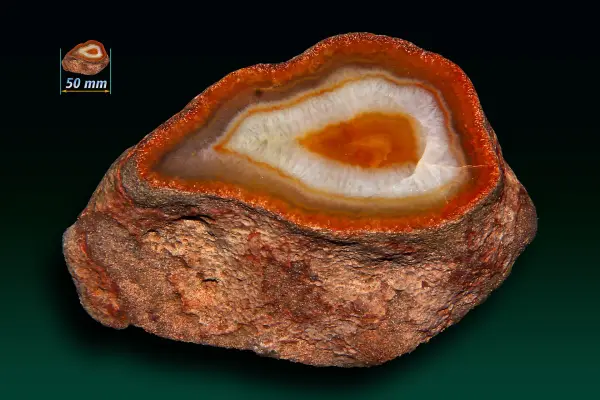
Woodward Ranch Agate
Legendary Big Bend fee-dig ranch and the only known source of red plume agate — 3,000 acres of volcanic terrain south of Alpine. Closed to public collecting since 2018; this page documents geology, history, and nearby alternatives.
View details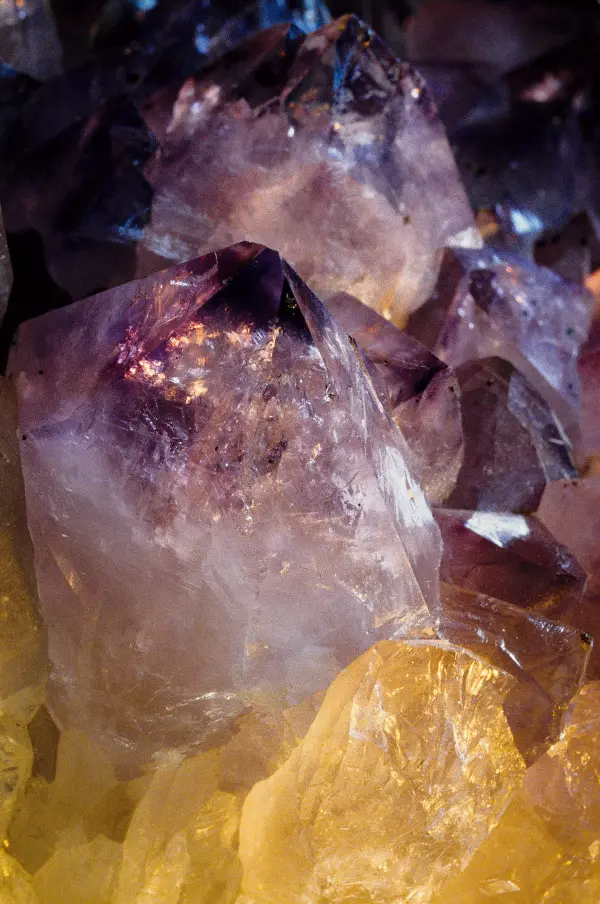
Mason County Topaz Area
Central Texas ranches around Mason allow fee hunting for pale blue topaz crystals in granite pegmatite gravels.
View detailsTerlingua Agate Fields
Desert washes near Big Bend contain colorful agate and jasper nodules eroded from volcanic flows along the Rio Grande frontier.
View details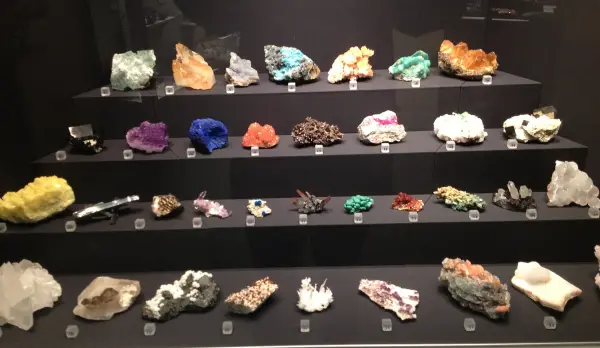
Ranches W Of Mason
Ranches W of Mason is a documented mineral occurrence in Texas. Reported specimens include Amazonite, Feldspar crystals, Quartz crystals, Blue Topaz, Clear Topaz, Black Tourmaline. Verify land access and collecting rules before visiting.
View detailsFrequently asked questions
Where can I go rockhounding in Texas?
Popular paths include Ladonia Fossil Park for North Texas fossils, ranch agate access such as Woodward Ranch or guided cool-season field trips, and scheduled paid topaz hunts in Mason County. Use our Texas state hub as a Texas fossil and rockhounding map.
Is there a Texas fossil map?
Yes — our Texas state directory lists Ladonia and related fossil/agate/topaz pins with GPS. Confirm park hours and keep rules before you dig; many productive ranches require fees or permission.
Can you dig topaz in Mason County Texas?
Mason County is the only Texas topaz source, but most ground is private. Several well-known fee ranches have closed, and Mason Mountain WMA is not open to collecting, so the realistic legal path is a scheduled paid hunt on private land. Check the Mason chamber calendar and do not trespass.
Where can I find Texas quartz?
Texas quartz shows up in some Hill Country and West Texas exposures and as fee-dig or ranch material — Mason County is better known for topaz. Confirm ranch permission; state parks ban collecting. Use the Texas state hub for GPS.
What is Balmorhea blue agate?
Balmorhea blue agate is West Texas desert chalcedony — classic lake/shore pickings are largely picked over; fee ranch hunts are the realistic path. Confirm operator rules and heat seasons before you drive.
Where can I find Texas agate?
Texas agate is mostly West Texas / Trans-Pecos ranch and fee-dig country (Woodward, Terlingua context, Balmorhea research) plus scattered gravel finds — not free statewide BLM beds. Use this guide and the Texas map; confirm fees and heat.
Can you find Texas opal?
Texas is not a Virgin Valley–style precious-opal fee-dig state. Occasional common opal or silica reports exist as research leads — treat “Texas opal” as low-expectation and verify ownership. Prefer ranch agate and Mason topaz for keepable trips.
Can you find Texas geodes?
Texas geodes are less famous than Keokuk or Dugway — occasional nodules turn up in researched limestone or ranch country with permission. Prefer Ladonia fossils and fee ranch agate for reliable Texas trips.
Where can I go Texas rockhounding?
Texas rockhounding centers on Ladonia fossils, West Texas ranch agate, and Mason County topaz with permission — use this guide and the Texas map.
Is rockhounding free in Texas?
Some public parks allow limited surface collecting under posted rules; many of the best agate and topaz sites are fee ranches or private. Always read the listing and operator rules.