Rockhounding in South Dakota centers on Fairburn agate prairie float and Black Hills pegmatites — never dig Badlands National Park. Use our Fairburn guide and South Dakota map for GPS.
Rockhounding in South Dakota means two different hunts: Fairburn agate on the open grassland east of the Black Hills, and Black Hills minerals such as rose quartz in forest country with claim traffic. Both are public-land friendly only when you know which agency owns the ground. This guide is checked against Forest Service pages as of October 2026.
Use the South Dakota state hub as your South Dakota rockhounding map and open each listing before you drive.
Goal → first stop
| What you want | Start here |
|---|---|
| Fairburn / prairie agate | Fairburn agate guide · Fairburn Agate · Fairburn |
| Black Hills pegmatites and rose quartz | Black Hills pegmatite belt |
| Region overview | Black Hills rockhound region |
| Statewide GPS | South Dakota state hub |
| Neighbors | Nebraska · Wyoming |
Land rules at a glance
| Land type | Collecting reality |
|---|---|
| Buffalo Gap National Grassland | Surface collecting of agates and rocks for personal use needs no permit; selling, trading, or bartering is prohibited |
| Black Hills National Forest | Small surface samples only, no digging; no archaeological or historic sites; the forest lists fossil collecting as prohibited |
| Badlands National Park | No collecting of rocks, agates, or fossils |
| State parks (including Custer) | Treat as look-only unless staff confirm otherwise |
| Ranches and claims | Owner permission or claim-holder consent required |
Things you need to go rockhounding in South Dakota
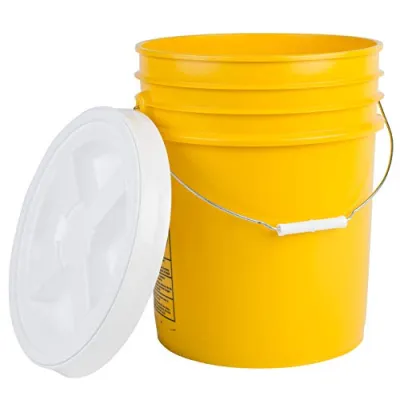
Hudson Exchange 5 Gallon Bucket with Gamma Seal Lid
The bucket setup serious diggers keep in the truck.
Check price on Amazon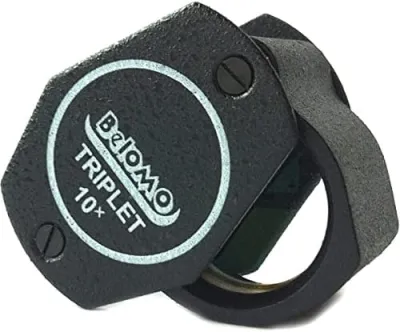
BelOMO 10x Triplet Loupe
The loupe to buy once and carry for decades.
Check price on Amazon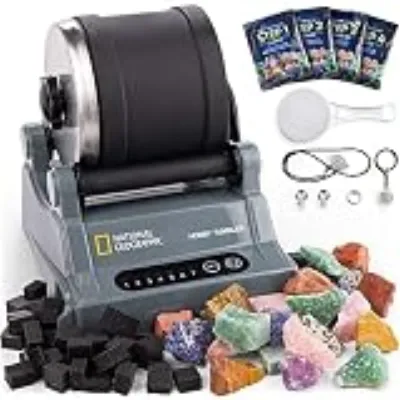
National Geographic Hobby Rock Tumbler Kit
If you want one rock tumbler kit that just works, start here.
Check price on AmazonDisclosure: Gear links may earn a commission as an Amazon Associate — at no extra cost to you. Learn more.
Fairburn agate on the grassland
Fairburn agates are tightly banded fortification agates, South Dakota’s state gem, and they weather out of eroded badlands and gravels between the Black Hills and the Nebraska line. The best-known public ground lies on Buffalo Gap National Grassland, around French Creek Campground, roughly ten miles east of the village of Fairburn. Land there is a checkerboard of federal, state, and private parcels, so use the grassland map rather than a phone pin and stay off posted ranches.
Hunting is surface picking: walk slowly, scan the gravel, and favor ground freshly cleaned by rain or snowmelt. Wet stones show banding sooner, and our how to spot an agate page helps with lookalike jasper and chert. The same beds hold agatized wood and yellow jasper. The Forest Service restricts vertebrate fossils and archaeological items on grassland, so leave bones, teeth, and arrowheads where they lie.
Black Hills and rose quartz
The Black Hills pegmatite belt is world-famous for rose quartz, feldspar, mica, and rare pegmatite minerals, but famous does not mean open. Black Hills National Forest permits surface-only collecting of small amounts without a permit, yet many productive pegmatites are active or historic mining claims, quarries, or private ground. Excavation is off the table without authorization. Treat directory pins as research leads, check with the ranger district, and ask claim holders directly. Pair this section with where to find rose quartz if that is your target.
Badlands and fossils
Searches for fossils here usually end at a park boundary. Badlands National Park is one of the richest vertebrate fossil areas in North America and enforces a strict no-collecting rule. On federal land outside it, vertebrate fossils generally need a research permit, so a casual pocket find is not an invitation. Collect agate on open grassland and enjoy Badlands scenery from the overlooks.
Planning tips
- Season: late spring and early fall; summer is hot and exposed, winter storms close roads
- Mud: wet clay roads on the grassland can become impassable, so check forecasts before you leave pavement
- Hazards: prairie rattlesnakes, prairie dog burrows, sudden wind, little shade or cell coverage
- Kit: water, sun protection, collecting buckets, and a hand lens; see essential rockhounding tools
- Rules first: compare collecting on BLM land for federal basics, then confirm the local district
South Dakota rewards collectors who start with Buffalo Gap National Grassland for agate, treat the Black Hills as claim-heavy research, and leave the Badlands for photography.
Plan your next stop
Continue with the national hubs so you can compare digs, GPS distance, and state maps:
- Dig-sites map — national fee digs with fees and keep rules
- Near me GPS — sort sites by distance from you
- South Dakota rockhounding map — GPS listings for this guide
- Nebraska rockhounding map — GPS listings for this guide
- Fee gems explained — pay-to-dig vs free land
Spots from our directory
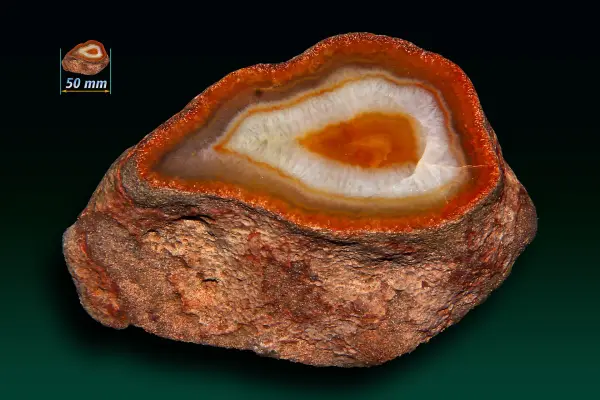
Fairburn Agate
Fairburn Agate is a documented rockhounding destination in SD. Collectors visit for agate, jasper, chalcedony and related material. Access rules and land ownership vary — confirm current status with the managing agency or landowner before collecting.
View detailsFairburn Agate South Dakota
Southern Black Hills fringe and Buffalo Gap National Grassland are prime Fairburn agate territory with world-class fortification patterns.
View detailsFairburn
Fairburn is a documented mineral occurrence in South Dakota. Reported specimens include Fairburn agates. Verify land access and collecting rules before visiting.
View details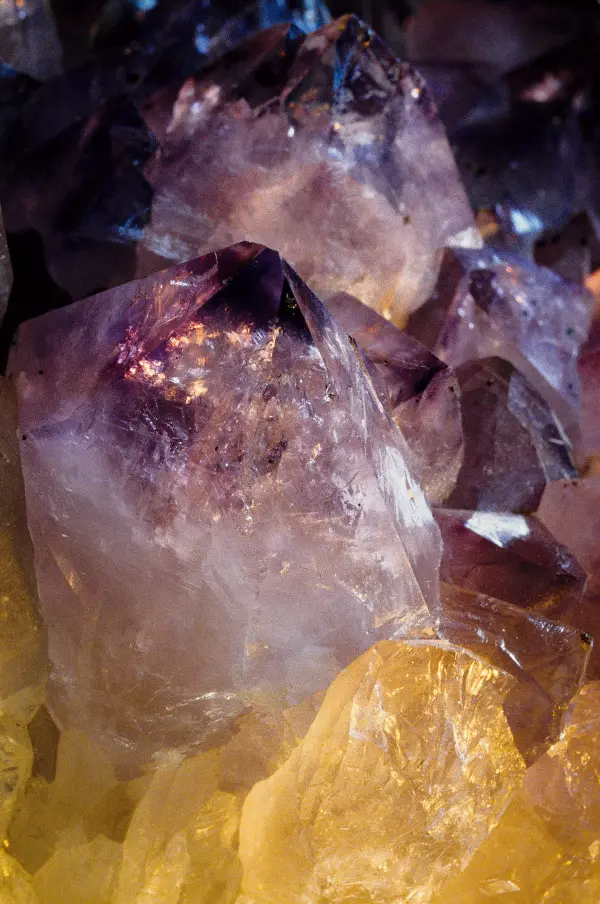
Black Hills Pegmatite Belt
Black Hills pegmatites near Keystone and Custer produced feldspar and mica for industry; collectors find quartz and beryl in old diggings.
View detailsFrequently asked questions
Where can I go rockhounding in South Dakota?
Fairburn agate country and related prairie float are the signature hunt; Black Hills pegmatites add rose quartz and minerals with claim checks. Badlands National Park bans collecting.
Can I collect Fairburn agates?
On verified open parcels outside the park — see our Fairburn agate guide. Private ranches need permission; Badlands is look-only.
Is there a South Dakota rockhounding map?
Our South Dakota state hub lists Fairburn, Black Hills, and related pins with GPS.
Can you go fossil hunting in South Dakota?
Fossil hunting in South Dakota is tightly regulated — Badlands National Park bans collecting, and vertebrate fossils on many public lands need permits or are prohibited. Prefer Fairburn agate float outside the park; do not pocket park fossils.
What is Nebraska blue agate?
Nebraska blue agate is prairie / Niobrara-country chalcedony related to Fairburn-style agate hunting across the SD–NE border. Research ownership; Badlands and parks stay look-only. Pair with our Fairburn agate guide.
What are the French Creek agate beds?
French Creek agate beds are part of the Fairburn / prairie agate story in South Dakota — float hunting on verified open parcels outside Badlands National Park. See our Fairburn agate guide and Fairburn listings for GPS and ranch rules.
Do I need a permit to collect agates on Buffalo Gap National Grassland?
No permit is needed for surface collecting of rocks and agates for personal, noncommercial use, but selling, trading, or bartering is prohibited and vertebrate fossils and archaeological items are off-limits. Check the Wall or Fall River ranger district for current notices.