Rockhounding in Mississippi centers on Winona agate gravels, Tishomingo geode research, Vicksburg fossils, and petrified-forest context — Mississippi opal queries are rare research leads, often confused with Louisiana sand opal.
Mississippi rockhounding is modest and honest: this is not a classic geode or gem-digging state. The surface is mostly Gulf Coastal Plain sand, clay, and loess, so the interesting material arrives as transported gravel, river-bluff fossils, and a few small Paleozoic outcrops in the northeast corner.
Use the Mississippi state hub for GPS, then verify every parcel before you go.
Goal → first stop
| What you want | Start here |
|---|---|
| Agate and chalcedony gravel | Winona Agate Gravels |
| Geode and nodule research | Tishomingo State Park geodes |
| Bluff fossils | Vicksburg loess fossils |
| Petrified wood context | Mississippi Petrified Forest · petrified wood listing |
| Statewide GPS | Mississippi state hub |
Land rules cheat sheet
| Land type | Collecting reality |
|---|---|
| State parks | Collecting is generally restricted or banned. Ask the park office before touching anything, including at Tishomingo. |
| National forests | Mississippi has several units, but rules vary by district. Confirm before you collect. |
| National military parks and battlefields | Removal is prohibited, including Vicksburg. |
| River bars | Often public below the ordinary high-water line, with private banks behind them. Access is the problem. |
| Gravel pits, farms, and timber land | Permission is required, and timber companies often limit gates. |
Things you need to go rockhounding in Mississippi
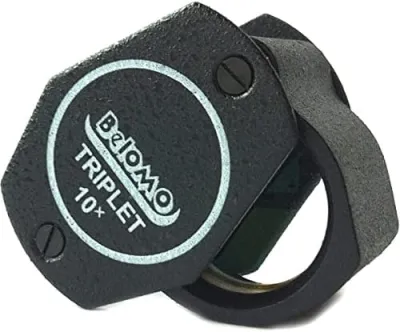
BelOMO 10x Triplet Loupe
The loupe to buy once and carry for decades.
Check price on Amazon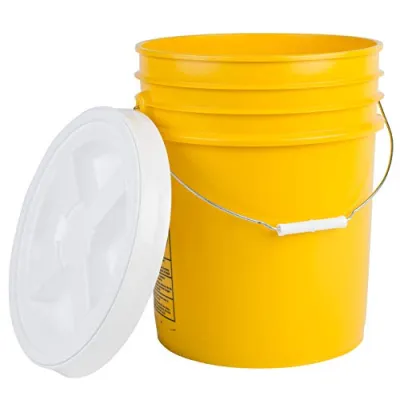
Hudson Exchange 5 Gallon Bucket with Gamma Seal Lid
The bucket setup serious diggers keep in the truck.
Check price on Amazon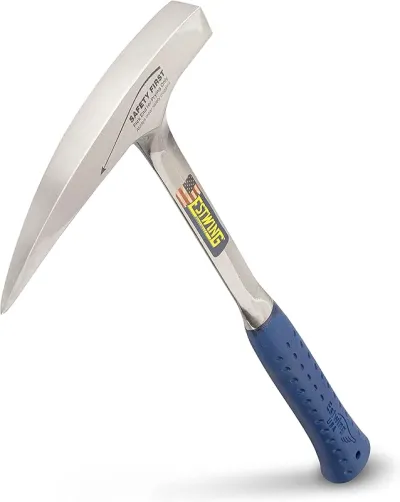
Estwing 22 oz Geological Pick
If you buy one hammer, make it this one.
Check price on AmazonDisclosure: Gear links may earn a commission as an Amazon Associate — at no extra cost to you. Learn more.
Winona agate gravels
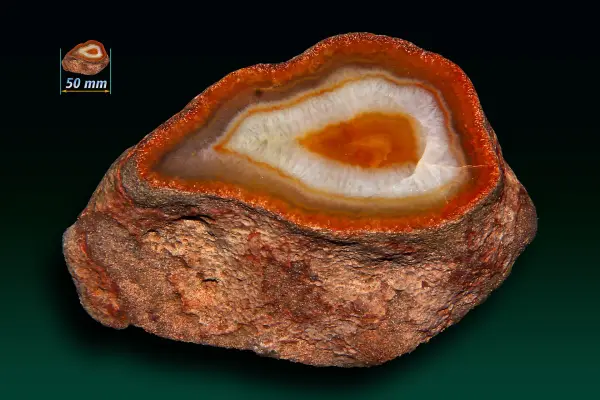
The best-known agate story is gravel pits around Winona, where Pleistocene and Tertiary gravels carry chert, chalcedony, and agate cobbles that traveled from northern source areas. The Winona listing reflects private pits, so ask the operator first and expect surface hunting after rain. Pieces are modest, often stained brown or tan, and a hand lens helps you tell banded agate from plain chert.
Tishomingo and the northeast
Tishomingo County sits on older Pennsylvanian and Mississippian rock, which is why small nodules and geode-like pieces get mentioned. Tishomingo State Park is a scenic park with boulder-lined creeks, not a dig. Treat it as look-and-photograph unless the park office tells you otherwise, and expect nothing like Iowa or Illinois geode country.
Mississippi River bars and bluffs
When the river drops after a flood, exposed sand and gravel bars can hold agate and chert. The Vicksburg loess bluffs preserve Ice Age snails and bones, but bluff faces collapse, so stay back from vertical walls. Do not collect inside the military park. Never wade or walk bars near barge channels without checking conditions.
Petrified forest and wood
The Mississippi Petrified Forest near Flora displays upright fossil logs, and collecting there is off the table. Petrified wood does exist in regional gravels, and the state stone is petrified wood, but your legal options are private permission or buying from rock shops.
A note on Mississippi opal
Searches for Mississippi opal often come from the nearby Louisiana sand-opal story. Mississippi has common opal-bearing silica in places, but no known public precious-opal dig. If opal is the goal, read our Louisiana guide for context and keep expectations low.
Season, heat, and gear
- Best: late fall through early spring, with lower water and fewer ticks
- Summer: heat, humidity, and storms can end a trip early
- Safety: check river gauges and bluff conditions; never cross fences without permission
- Kit: boots, bug spray, water, and a hand lens, plus a bucket for permitted gravel
Neighbors
Louisiana · Alabama · Tennessee · Arkansas
Plan your next stop
Continue with the national hubs so you can compare digs, GPS distance, and state maps:
- Dig-sites map — national fee digs with fees and keep rules
- Near me GPS — sort sites by distance from you
- Mississippi rockhounding map — GPS listings for this guide
- Louisiana rockhounding map — GPS listings for this guide
- Fee gems explained — pay-to-dig vs free land
Reality check
Mississippi is permission-first Pine Belt and park country. Parks protect their rocks, the famous petrified forest is look-only, and river gravel is only as public as your access route. Use the Mississippi state hub for planning, then call before you dig.
Spots from our directory
Winona Agate Gravels
Mississippi River basin gravels near Winona contain agate and chalcedony cobbles from northern source terrains.
View details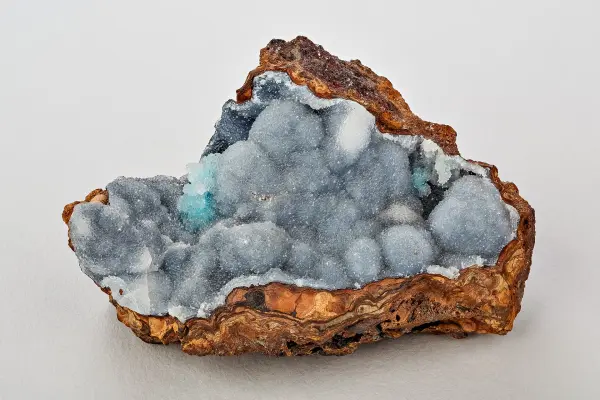
Tishomingo State Park Geodes
Tishomingo State Park in the far northeast corner of Mississippi, the only place in the state where the Appalachian foothills reach across the line, where sandstone outcrops along Bear Creek hold chert and occasional nodules. Collecting requires prior approval from park staff.
View details
Vicksburg Loess Fossils
Bluff exposures along the Mississippi River near Vicksburg reveal marine fossils in loess and alluvial deposits.
View detailsPetrified Forest Mississippi
Mississippi Petrified Forest near Flora displays upright fossil logs for observation; collecting prohibited in park but region has petrified wood in private gravels.
View detailsPetrified Wood At Mississippi Petrified Forest
Petrified Wood at Mississippi Petrified Forest is a documented rockhounding destination in MS. Collectors visit for fossils, trilobites, dinosaur bone and related material. Access rules and land ownership vary — confirm current status with the managing agency or landowner before collecting.
View detailsFrequently asked questions
Where can I go rockhounding in Mississippi?
Winona agate gravels, Tishomingo-area geode research, Vicksburg loess fossils, and Mississippi Petrified Forest context are the main starts. Use our Mississippi state hub for GPS and confirm park vs private rules.
What is Mississippi opal?
Mississippi opal searches usually mean rare sand/gravel opal reports or confusion with Louisiana sand-opal districts — treat directory pins as research leads and verify land status. Pair with our Louisiana sand-opal FAQ if you are hunting Gulf Coast sands.
Are there geodes in Mississippi?
Tishomingo State Park geode research is the classic north Mississippi lead — confirm current park collecting rules before you dig. Keokuk-belt geodes are Iowa/Illinois/Missouri, not Mississippi.
Is there a Mississippi rockhounding map?
Our Mississippi state directory lists Winona agate, Tishomingo geodes, Vicksburg fossils, and petrified-forest pins with GPS.
Can beginners rockhound in Mississippi?
Prefer documented gravel and park rules over unmarked cuts. Bring water, sunscreen, and a hand lens for agate and chalcedony float.
Can I take petrified wood from the Mississippi Petrified Forest?
No. The Flora site is a fee-based interpretive attraction where the upright logs stay in place. Petrified wood turns up in regional gravels, but you need landowner permission on those parcels.
Is the Mississippi River a good place to look for agate?
Gravel and sand bars can hold chert, agate, and chalcedony after floodwaters fall, but the river is dangerous. Barge wakes, soft sand, current, and sudden stage changes are real risks, and private banks still require permission to cross.