Rockhounding in West Virginia is permission-first fossil and mineral collecting — parks and caves are look-only. Use our West Virginia map for GPS and pair trips with Virginia or Kentucky guides.
Rockhounding in West Virginia is an Appalachian hobby built on plant and marine fossils, scattered quartz, and coal-country shale. It is not a Western BLM checklist. Most of the state is private, state parks and forests ban removal, and highway shoulders are rarely a safe or legal place to stop. This guide is checked against state and Forest Service pages as of October 2026.
Use the West Virginia state hub as your West Virginia rockhounding map, then confirm access before you dig.
Goal → first stop
| What you want | Start here |
|---|---|
| County context | Kanawha County · Berkeley County |
| Town research | Berkeley Springs · Lewisburg · Charleston |
| Cave geology (look-only) | Windy Mouth Cave |
| Fossils overview | Fossil specimens |
| Statewide GPS | West Virginia state hub |
| Nearby states | Virginia · Kentucky · Pennsylvania |
Land rules at a glance
| Land type | Collecting reality |
|---|---|
| State parks, forests, and wildlife areas | Removing rocks, minerals, or fossils is prohibited without written DNR authorization |
| Monongahela National Forest | Personal rock collecting uses a $10 permit and hand tools only; no streams, wetlands, outcrops, or wilderness |
| National forest fossils | Common invertebrate and plant fossils only, within federal casual-collecting limits; no vertebrate fossils |
| Private farms and quarries | Permission required |
| Coal and surface mines | Written permission and mine-safety compliance; never enter active workings |
| Highways and interstates | Collecting from the right-of-way is discouraged and stopping is restricted |
Things you need to go rockhounding in West Virginia
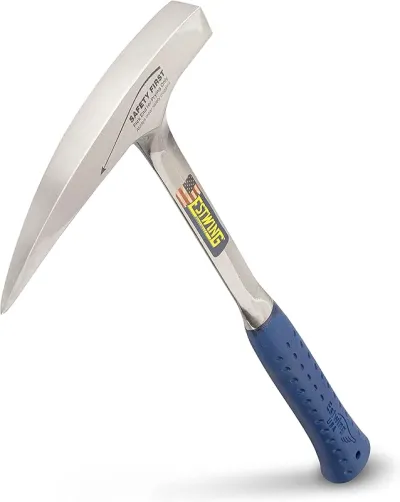
Estwing 22 oz Geological Pick
If you buy one hammer, make it this one.
Check price on Amazon
Mechanix Work Gloves with Grip
The default glove for collectors who need feel and protection.
Check price on Amazon
DEWALT DPG82 Concealer Safety Glasses
Buy two pairs — one lives in your pack permanently.
Check price on Amazon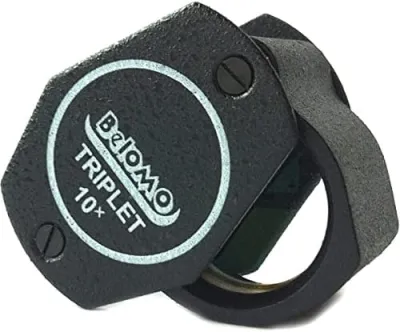
BelOMO 10x Triplet Loupe
The loupe to buy once and carry for decades.
Check price on AmazonDisclosure: Gear links may earn a commission as an Amazon Associate — at no extra cost to you. Learn more.
Fossils: coal-country plants and limestone shells
West Virginia is fossil-rich but access-poor. Pennsylvanian plant fossils such as ferns and horsetail-type stems appear in shale and fine sandstone of the Pottsville Group, including a well-known road cut on WV-32 near Davis, where collectors work loose talus rather than breaking the face. Parking is limited, sight lines are poor, and the highway is public but busy, so only pull off where it is clearly safe. Surface-mine spoil can be rich too, but mine operators are responsible for visitors, so you need advance written permission.
Devonian and Mississippian limestone country around Berkeley and Greenbrier counties yields brachiopods, corals, and trilobite fragments. Quarries and farm fields there belong to someone, so the Berkeley County and Lewisburg listings are leads for asking permission, not open collecting areas.
Quartz, minerals, and the gem question
The state geological survey points to quartz crystals in Oriskany Sandstone west of US-522 north of Berkeley Springs as a notable crystal locality, and to carnelian, epidote, and small opal as minor occurrences. Treat that as geology, not a trail map: ownership varies, and “Berkeley Springs diamonds” are quartz. West Virginia has one famous diamond find from 1928 and no commercial gem mines, so searches for gem mining or gold panning mostly lead to disappointment. For managed digs, use the dig-sites map.
Caves and parks
Caves and karst features, including the geology behind Windy Mouth Cave, are look-only. Do not break stalactites or collect cave minerals, even from the floor, and stay out of wild caves without proper gear, a partner, and landowner approval. Bat-protection closures and flooding add hazards that a rock hammer cannot fix. Parks such as Coopers Rock, Droop Mountain, and Berkeley Springs State Park are scenery and photography, not buckets.
Planning tips
- Ask first: introduce yourself, leave gates as found, and offer to share finds
- Season: spring and fall; summer humidity, ticks, and snakes are real
- Kit: safety glasses, gloves, a hand lens; see essential rockhounding tools
- Club trips: the safest route to coal-mine plant fossils is an organized field trip
West Virginia rewards permission-first collectors, then a longer Appalachian loop into Virginia quartz or Kentucky agate.
Plan your next stop
Continue with the national hubs so you can compare digs, GPS distance, and state maps:
- Dig-sites map — national fee digs with fees and keep rules
- Near me GPS — sort sites by distance from you
- West Virginia rockhounding map — GPS listings for this guide
- Virginia rockhounding map — GPS listings for this guide
- Fee gems explained — pay-to-dig vs free land
Spots from our directory

Kanawha County
Fossil collection site, Kanawha County, West Virginia. Environment: cave. Source: Paleobiology Database (PBDB), CC BY 4.0.
View details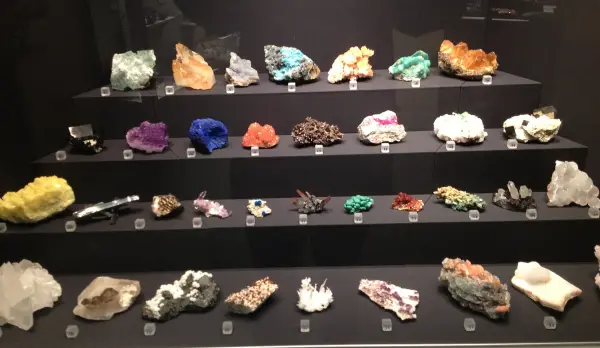
Berkeley County
Berkeley County is a documented mineral occurrence in West Virginia. Reported specimens include Calcite, Dolomite crystals, Quartz crystals. Verify land access and collecting rules before visiting.
View detailsBerkeley Springs
Berkeley Springs is a documented mineral occurrence in West Virginia. Reported specimens include Calcite, Jasper, Pyrite cubes, Quartz crystals, Selenite. Verify land access and collecting rules before visiting.
View details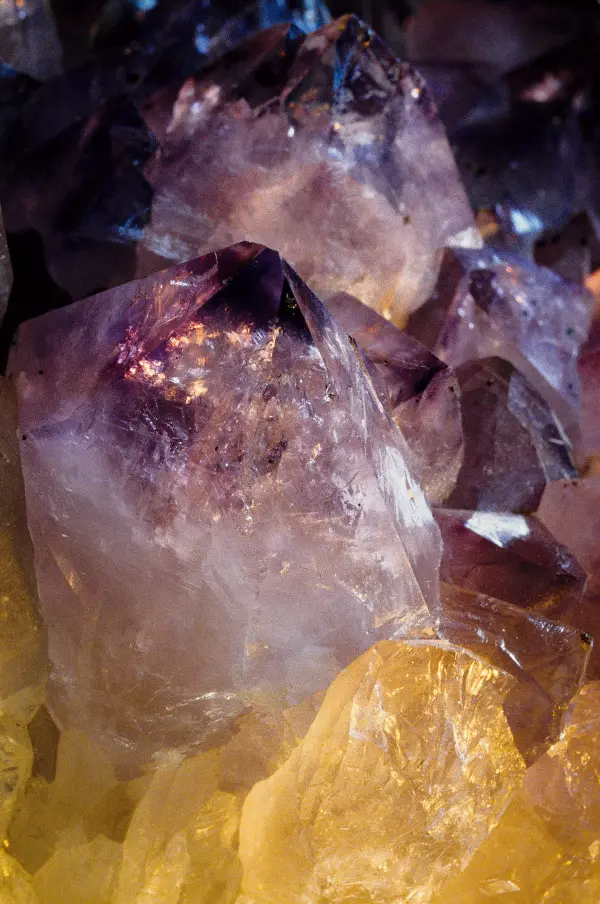
Lewisburg
Lewisburg is a documented mineral occurrence in West Virginia. Reported specimens include Smoky Quartz. Verify land access and collecting rules before visiting.
View detailsCharleston
Charleston is a documented mineral occurrence in West Virginia. Reported specimens include Silicified wood. Verify land access and collecting rules before visiting.
View detailsWindy Mouth Cave
Fossil collection site, Greenbrier County, West Virginia. Environment: cave. Source: Paleobiology Database (PBDB), CC BY 4.0.
View detailsFrequently asked questions
Can you rockhound in West Virginia?
Limited personal collecting happens on private land with permission and some public parcels where rules allow. State parks, many wildlife areas, and show caves prohibit removing rocks and formations. Always verify the managing agency.
What can you find rockhounding in West Virginia?
Carbonate country yields fossils and limestone specimens; some road cuts and private farms produce quartz and related minerals. Cave formations are look-only — never break speleothems.
Is there a West Virginia rockhounding map?
Our West Virginia state hub lists county and locality pins with GPS — use them as research leads, then confirm access before you dig.
Can I collect in West Virginia caves?
No for formations and most cave interiors open to tourism. Listings like Windy Mouth Cave are geology context, not dig invitations.
Can you go gold panning in West Virginia?
West Virginia is not a classic placer-gold state. Hobby interest focuses on permission-first fossils and minerals. Treat gold-panning searches as low-expectation — verify stream rules and prefer documented mineral trips.
Is there West Virginia gem mining?
West Virginia gem mining for hobbyists is sparse — permission-first minerals and fossils, not a statewide fee-dig park. Use dig-sites for any managed digs nearby and this guide for park/cave look-only rules.