Rockhounding in North Dakota centers on Killdeer and Turtle Mountain agate float plus Badlands petrified-wood country outside park bans — use our North Dakota map for GPS and never collect in Theodore Roosevelt National Park.
Rockhounding north dakota is prairie agate, Badlands silica, and careful land-status reading. It is not a fee-dig crystal circuit. Much of the state is privately owned ranchland or farmland, public parcels are scattered, and the famous Badlands sit under national park rules. That makes North Dakota a good fit for patient surface hunters who like gravel, rivers, and wide skies.
Goal → first stop
| What you want | Start here |
|---|---|
| Killdeer area agate and jasper | Killdeer Mountains agate |
| Turtle Mountain agate | Turtle Mountain agate |
| Badlands petrified wood context | Medora Badlands petrified wood |
| River and glacial context | Cannonball River · Fort Ransom erratics · Little Missouri River |
| Statewide GPS | North Dakota state hub |
Land rules cheat sheet
| Land type | Collecting reality |
|---|---|
| Theodore Roosevelt National Park | Removing rocks, petrified wood, and fossils is prohibited. |
| Little Missouri National Grassland (USFS) | Casual surface collecting of common rocks and some plant fossils is generally allowed in modest amounts, but vertebrate fossils are protected and local orders apply. Ask the Dakota Prairie Grasslands office. |
| North Dakota state parks and forests | Removing natural objects is generally prohibited. Check each unit. |
| State school and trust land | Rules are restrictive. Verify with the Department of Trust Lands. |
| Tribal lands (Fort Berthold, Standing Rock, Turtle Mountain) | Closed to casual collecting without tribal permission. |
| Private ranch and farmland | Written or clear verbal permission required. Pits and fields are not open because the gravel looks inviting. |
Things you need to go rockhounding in North Dakota
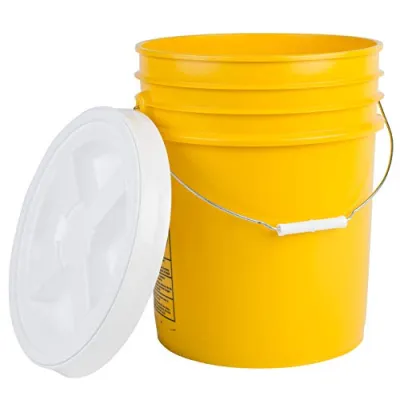
Hudson Exchange 5 Gallon Bucket with Gamma Seal Lid
The bucket setup serious diggers keep in the truck.
Check price on Amazon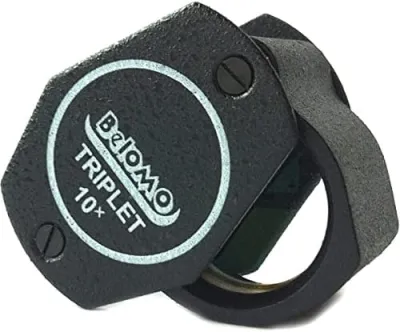
BelOMO 10x Triplet Loupe
The loupe to buy once and carry for decades.
Check price on Amazon
ThinkSport Sport Mineral Sunscreen
The best blend of mineral protection and wearability for field work — start here.
Check price on AmazonDisclosure: Gear links may earn a commission as an Amazon Associate — at no extra cost to you. Learn more.
Where “agate country” really is
North Dakota agate is mostly glacial float and river gravel, not a single digging pit. The Killdeer Mountains area in the southwest is listed for agate and petrified wood, but much of the land is private ranch country and nearby tribal land is off-limits without permission. Confirm ownership before leaving the highway. The Turtle Mountain region on the Manitoba border mixes state forest, private holdings, and the Turtle Mountain Band reservation; a listing that calls it national forest should be checked, because the state forest and reservation are what you will actually encounter.
Badlands petrified wood: park versus parcels
Medora Badlands petrified wood is a scenic hub, not a permission slip. Theodore Roosevelt National Park bans removal, and state parks generally bar it too. Legal casual hunting is limited to open grassland parcels and private land with permission, so a stump photographed inside the park cannot be collected. If you find something that looks like a vertebrate fossil, leave it and report it to the managing agency.
Rivers, concretions, and erratics
The Cannonball River is known for round concretions and river gravels, with much of the corridor on or near the Standing Rock Reservation. Treat those as photograph-only unless you have tribal permission. The Little Missouri River is listed for moss agate and jasper along gravel bars, with a patchwork of ownership. Fort Ransom erratics in the Sheyenne valley are a geology viewing stop within state-managed land, where removal is restricted.
Reading the ground
Surface float turns up in gravel roads, creek bends, and erosion cuts, usually pebble- to fist-sized. Watch for agate’s waxy shine and banding, and wet the stone to judge translucency (how to spot an agate). Gravel pits are commercial, so ask the operator and respect safety rules.
Season and safety
- Best months: late spring through early fall; winter blizzards and spring mud close gravel roads
- Summer: thunderstorms and wind are fast-moving, and sun exposure is high
- Remote roads: carry water, a spare tire, and offline maps; cell coverage disappears quickly
- Ticks and prairie rattlesnakes: common in western grasslands; wear boots and watch your step
Planning tips
- Neighbors: South Dakota / Fairburn · Montana
- Live sort: near me GPS · agates near me
Plan your next stop
Continue with the national hubs so you can compare digs, GPS distance, and state maps:
- Dig-sites map — national fee digs with fees and keep rules
- Near me GPS — sort sites by distance from you
- North Dakota rockhounding map — GPS listings for this guide
- South Dakota rockhounding map — GPS listings for this guide
- Public gem mining sites — fee-dig checklist
- Fee gems explained — pay-to-dig vs free land
Reality check
North Dakota rewards collectors who ask first and walk slowly. Use the North Dakota state hub for GPS, then confirm every parcel with the landowner or agency, and leave park and tribal ground look-only.
Spots from our directory
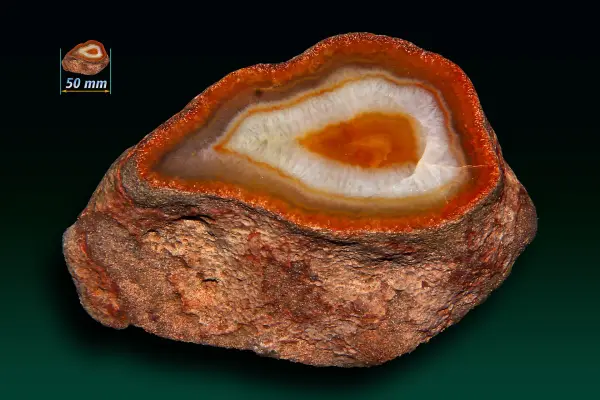
Killdeer Mountains Agate
Killdeer Mountain area badlands and draws in western North Dakota yield agate and petrified wood on permitted lands.
View detailsTurtle Mountain Agate
The Turtle Mountains of Bottineau and Rolette counties on North Dakota's Manitoba border, a forested glacial upland where agate, jasper and chalcedony occur as erratics in till, road cuts and lake beaches rather than in local bedrock.
View details
Medora Badlands Petrified Wood
Theodore Roosevelt National Park badlands display petrified wood stumps; collecting banned in park but region has specimens on private land.
View detailsCannonball River
Cannonball River is a documented mineral occurrence in North Dakota. Reported specimens include Agate, Chalcedony, Silicified wood, Jasper. Verify land access and collecting rules before visiting.
View details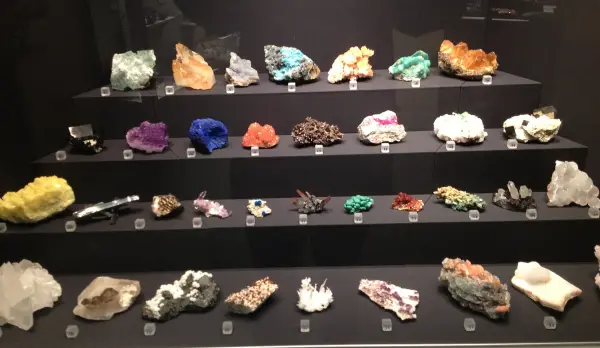
Fort Ransom Glacial Erratics
Glacial erratics of the Sheyenne River valley include granite boulders and transported agates in Sheyenne State Forest.
View detailsLittle Missouri River
Little Missouri River is a documented mineral occurrence in North Dakota. Reported specimens include Montana Moss Agate, Jasper, Agatized wood. Verify land access and collecting rules before visiting.
View detailsFrequently asked questions
Where can I go rockhounding in North Dakota?
Killdeer Mountains and Turtle Mountain areas are classic for agate and jasper float; Badlands / Medora country has petrified wood context with strict park bans. Use our North Dakota state hub for GPS, then verify ownership before collecting.
Can I collect rocks in Theodore Roosevelt National Park?
No. National parks prohibit removing rocks, petrified wood, and fossils. Photograph Cannonball concretions and Badlands scenery; collect only on verified open parcels outside park boundaries.
Is there a North Dakota rockhounding map?
Yes — our North Dakota state directory lists agate, petrified-wood context, and river pins with GPS. Pair with near-me sorting when you are already in the Dakotas.
What do North Dakota rockhounds usually find?
Agate and jasper float, petrified wood outside parks, glacial erratics, and occasional Cannonball-area concretions on legal ground. This is prairie and badlands hunting, not crystal-mine country.