Rockhounding in New Hampshire centers on pegmatite country — Moat Mountain smoky quartz, club-access mines, and the historic Ruggles Mine (verify it is open) — use our New Hampshire map and confirm access before you drive.
Rockhounding new hampshire is pegmatite country: granite hills, old mica and beryl mines, and a state gemstone (smoky quartz) that tells you what to hunt. It is not a desert free-for-all. The best outings combine White Mountain National Forest collecting, club-only mine trips, and honest checking of whether a famous mine is actually open.
Goal → first stop
| What you want | Start here |
|---|---|
| Famous mica and feldspar mine | Ruggles Mine (verify status first) |
| Amethyst research | Deer Hill amethyst |
| Smoky quartz and amazonite | Moat Mountain smoky quartz |
| Pegmatite minerals | Palermo Mine · Beryl Mountain |
| Statewide GPS | New Hampshire state hub |
Land rules cheat sheet
| Land type | Collecting reality |
|---|---|
| White Mountain National Forest | Casual, hand-tool collecting of small amounts is generally the framework for national forest ground, but districts post orders and wilderness areas limit activity. Ask the ranger district before you dig. |
| New Hampshire state parks and forests | Removing rocks, minerals, or plants is usually prohibited. Check each property. |
| Private pegmatite mines (Palermo, Beryl Mountain) | Owner or club permission only. Do not enter on the strength of an old book. |
| Commercial and tourist mines (Ruggles) | Access depends on whether the owner is operating. Hours and fees can change or lapse. |
| Roadside ledges and quarries | Usually private, steep, or posted. Skip them without permission. |
Things you need to go rockhounding in New Hampshire
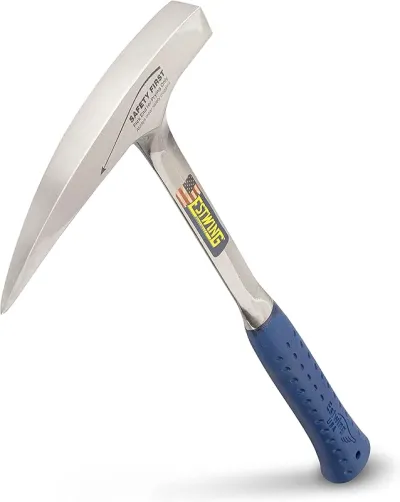
Estwing 22 oz Geological Pick
If you buy one hammer, make it this one.
Check price on Amazon
DEWALT DPG82 Concealer Safety Glasses
Buy two pairs — one lives in your pack permanently.
Check price on Amazon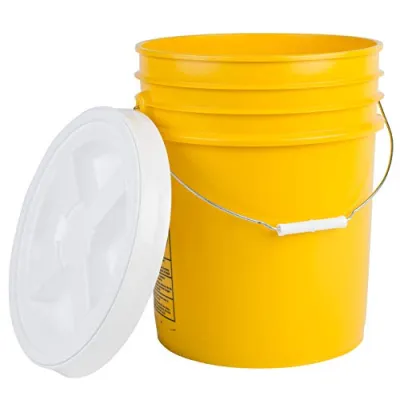
Hudson Exchange 5 Gallon Bucket with Gamma Seal Lid
The bucket setup serious diggers keep in the truck.
Check price on AmazonDisclosure: Gear links may earn a commission as an Amazon Associate — at no extra cost to you. Learn more.
Ruggles Mine: check before you plan around it
Ruggles in Grafton is the best-known New Hampshire mine. Its large pegmatite produced mica, feldspar, beryl, and other minerals, and for decades it ran as a visitor attraction where families could buy access to the dumps. Recent listings describe the site as closed to the public, so treat any fee-dig references as potentially outdated. Confirm current ownership and hours directly before you drive, and keep it as a bonus stop only if it has reopened. Wearing eye protection is non-negotiable if it has.
Moat Mountain and White Mountain collecting
The Conway granite region around North Conway is famous for smoky quartz, which New Hampshire named its state gem, along with amazonite and fluorite in cavities. The Moat Mountain area lies in national forest country, so hand-tool searching is the expected approach. Expect rock-splitting effort, steep woods, and mosquitoes, and do not use power tools or blasting. Respect trails and sign-posted closures, and keep digging minimal, since forests often limit significant excavation.
Deer Hill amethyst
Deer Hill is cited for pegmatite amethyst along the New Hampshire–Maine border region, and the best-known amethyst occurrence is just across the line in Stow, Maine. Listings sometimes blur state and parcel boundaries, so pin down which ownership you are dealing with before hiking. Pair this with our Maine guide if you plan to cross the border.
Palermo, Beryl Mountain, and club trips
Palermo Mine near North Groton produced rare phosphate minerals such as triphylite and montebrasite and is a premier New England locality. It is private, and access is typically through club field trips. Beryl Mountain is similar historical ground for beryl and rose quartz. If you want a good day, join a regional gem and mineral club that arranges owner-approved visits.
Gold panning note
New Hampshire has modest stream gold interest in places like the Ammonoosuc drainage. Hand panning only, verify the bank and bed ownership, and do not treat it as a profit plan.
Season and kit
- Best window: late spring through early fall; winter snow closes forest roads and freezes dumps
- Mud season: April roads can be soft; high ledges stay icy longer
- Kit: safety glasses, gloves, cold chisel and hand sledge where allowed, newspaper for wrapping, and layers — essential tools
Planning tips
- Neighbors: Massachusetts · Vermont · Maine
- Live sort: near me · dig-sites
Plan your next stop
Continue with the national hubs so you can compare digs, GPS distance, and state maps:
- Dig-sites map — national fee digs with fees and keep rules
- Near me GPS — sort sites by distance from you
- New Hampshire rockhounding map — GPS listings for this guide
- Maine rockhounding map — GPS listings for this guide
- Public gem mining sites — fee-dig checklist
- Fee gems explained — pay-to-dig vs free land
Reality check
New Hampshire rewards collectors who verify first and dig second. A mine name on an old map is not permission, and a famous quarry may be closed or private. Use the New Hampshire state hub for GPS, then confirm access with the Forest Service, club, or owner.
Spots from our directory
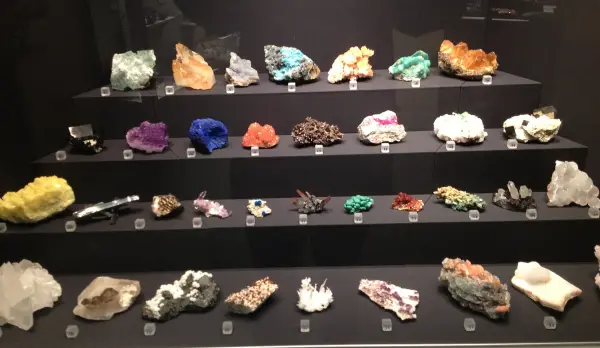
Ruggles Mine
Ruggles Mine was a popular fee-collecting mica mine in Grafton for decades; check current access status before visiting.
View details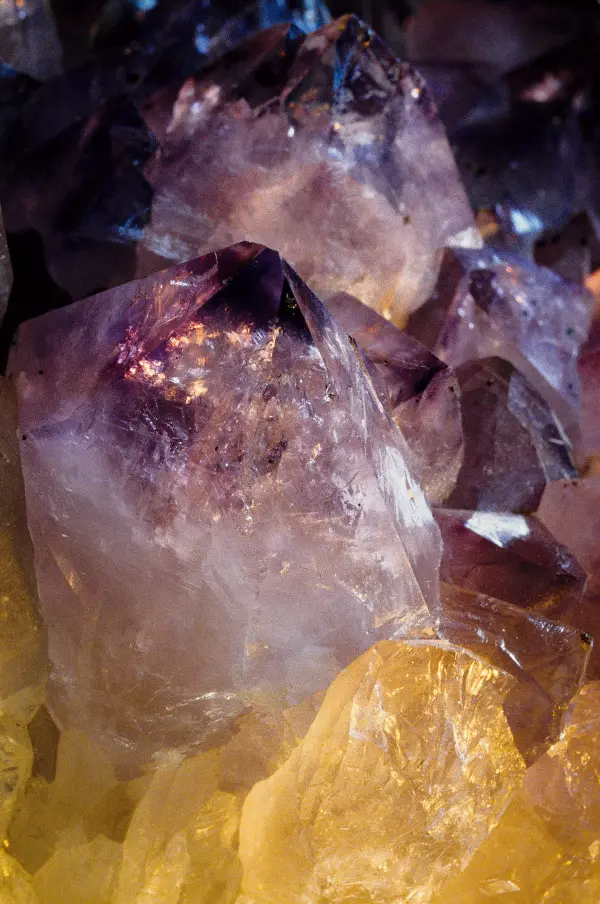
Deer Hill Amethyst
Northern New Hampshire pegmatites near Deer Hill have produced amethyst quartz crystals in forest exposures near the Canadian border.
View detailsMoat Mountain Smoky Quartz
One of three designated mineral collecting areas in the White Mountain National Forest, on Moat Mountain near North Conway, New Hampshire, where a free trailhead permit allows hand collecting of smoky quartz, amazonite, beryl and topaz from granite pegmatite.
View detailsPalermo Mine
Famous North Groton, New Hampshire pegmatite (Palermo No. 1) known for phosphate minerals and collector classics — access is typically through arranged field trips or current owner permission, not casual roadside digging.
View detailsBeryl Mountain
Beryl Mountain is a documented mineral occurrence in New Hampshire. Reported specimens include Beryl, Rose Quartz. Verify land access and collecting rules before visiting.
View detailsFrequently asked questions
Where can I go rockhounding in New Hampshire?
Ruggles Mine is the best-known New Hampshire mine but is listed as closed to the public, so verify before planning. Moat Mountain smoky quartz in national forest country and club-access pegmatite mines like Palermo are the realistic options; Deer Hill amethyst needs researched access. Use our New Hampshire state hub for GPS and seasonal notes.
Is Ruggles Mine open to the public?
Ruggles historically ran as a visitor and fee-collecting mine, but recent listings describe it as closed to the public. Confirm current ownership, hours, and fees directly before you drive, and bring eye protection if it has reopened.
Is there a New Hampshire rockhounding map?
Our New Hampshire state directory lists Ruggles, Deer Hill, Moat Mountain, and related pegmatite pins with GPS.
Can you go gold panning in New Hampshire?
New Hampshire has limited recreational gold interest on some researched streams with claim and rule checks — pegmatite fee digs like Ruggles are the bigger hobby story. Confirm ownership before panning.