Rockhounding in Vermont is permission-first garnet and talc country — use our Vermont map for research, confirm ownership, and consider New Hampshire fee digs for beginner keepers.
Rockhounding in Vermont is a research hobby, not a roadside one. The state has garnet, talc, serpentine, Ordovician fossils, and even placer gold, but its best-known mineral localities are historic mines, private farms, or environmental-cleanup sites. This guide is checked against Vermont agency and Forest Service pages as of October 2026.
Use the Vermont state hub as your Vermont rockhounding map for research, then verify ownership before you leave home.
Goal → first stop
| What you want | Start here |
|---|---|
| Garnet research | Belvidere garnet mine · Grossular garnet, Eden · Lake Willoughby garnet schist |
| Talc and soapstone context | Stockbridge talc mines |
| Easier fee-dig day | New Hampshire / Ruggles |
| Statewide GPS | Vermont state hub |
| Garnet by type | Garnet specimens |
Land rules at a glance
| Land type | Collecting reality |
|---|---|
| Private land | Landowner permission required; trespass laws apply |
| Vermont state parks | Removing earth material needs a written permit, except small hobby stones that are not fossils or historically significant |
| State natural areas | Specimen collecting not permitted |
| Other state land | Permission from the managing department |
| Green Mountain National Forest | Loose surface samples in most cases; digging tools are restricted; confirm with the district |
| Mines and quarries | Owner permission, plus safety and environmental limits |
Things you need to go rockhounding in Vermont
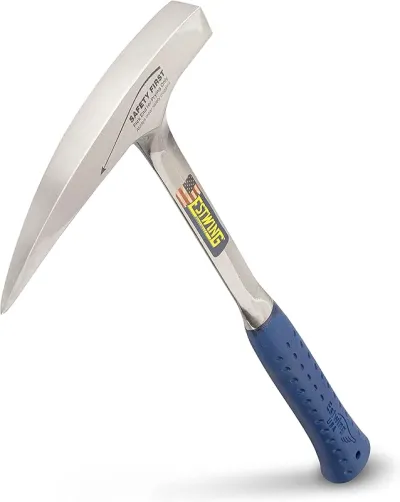
Estwing 22 oz Geological Pick
If you buy one hammer, make it this one.
Check price on Amazon
DEWALT DPG82 Concealer Safety Glasses
Buy two pairs — one lives in your pack permanently.
Check price on Amazon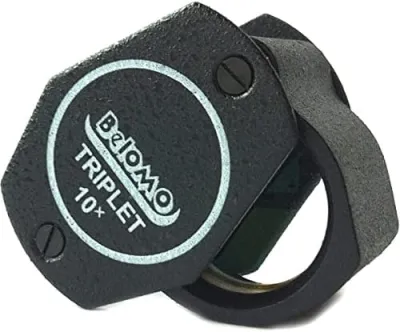
BelOMO 10x Triplet Loupe
The loupe to buy once and carry for decades.
Check price on AmazonDisclosure: Gear links may earn a commission as an Amazon Associate — at no extra cost to you. Learn more.
Belvidere Mountain and Eden
Belvidere garnet mine is the name most searchers want, and it is the one most likely to disappoint. The Belvidere Mountain asbestos workings and tailings in the Eden and Lowell area are under environmental remediation, posted with hazard warnings, and should not be entered or hammered. Do not use a decades-old guidebook pin as proof of access. Garnet shows up in nearby road cuts and streams around Eden, but those margins are public right-of-way or private land, so ask first and stay off posted ground. Metamorphic garnet schist is also a lead at Lake Willoughby, subject to the same ownership check.
Talc country
Stockbridge talc mines belong to the soapstone and talc belt that once supported mining across central Vermont. Talc is soft and easy to damage, and many old quarries are flooded, unstable, or private. Treat the listing as geology context and plan a club field trip or landowner visit instead of a solo dig. If you are curious about “Vermont jade,” expect serpentine and verde-antique-type rock rather than true nephrite.
Gold panning and fossils
Vermont is one of the few eastern states with a gold-rush story. Traditional hand panning is allowed on state land, with Broad Brook near Camp Plymouth State Park the best-known spot, but mechanical equipment, sluices, rocker boxes, and bank digging are not. State geology notes also list traces in the Mad River, Missisquoi River, and other streams, yet many of those banks are private, so permission still applies. Expect flakes, not nuggets, and treat the hobby as a day on the water. Old copper and asbestos mine sites are a different matter: many are cleanup zones, so leave them to professionals. Ordovician fossils in limestone and shale occur in the west and Champlain Valley, but state-park rules exclude fossils from the hobby-stone exemption, so leave them in place unless you have clear authority.
Planning tips
- Season: late spring through fall; mud season and snow limit access
- Kit: safety glasses, a hand lens, and a rock pick for permitted samples; see essential rockhounding tools
- Beginner route: use rockhounding for beginners and confirm a fee dig in New Hampshire when Vermont access is unclear
- Respect: follow safety basics around abandoned mine openings
Vermont rewards collectors who research ownership first, join a club trip, and treat Belvidere as a cautionary headline, not a destination.
Plan your next stop
Continue with the national hubs so you can compare digs, GPS distance, and state maps:
- Dig-sites map — national fee digs with fees and keep rules
- Near me GPS — sort sites by distance from you
- Vermont rockhounding map — GPS listings for this guide
- New Hampshire rockhounding map — GPS listings for this guide
- Public gem mining sites — fee-dig checklist
- Fee gems explained — pay-to-dig vs free land
Spots from our directory

Belvidere Garnet Mine
Eden-Belvidere garnet mines in the Green Mountains produced grossular garnet crystals in calc-silicate skarn rock.
View detailsGrossular Garnet Eden
The Eden garnet locality is Vermont's premier garnet collecting site where grossular crystals occur in massive garnet ore.
View details
Stockbridge Talc Mines
Stockbridge Talc Mines is a historic mining site in Windsor, Vermont, documented by the USGS Mineral Resources Data System. Reported specimens include Copper, Soapstone.
View detailsLake Willoughby Garnet Schist
Roadcut and pegmatite exposures beside Lake Willoughby in Westmore, Vermont, where muscovite, beryl, garnet and idocrase are reported. The fjord-like lake sits between Mount Pisgah and Mount Hor, whose slopes fall within Willoughby State Forest.
View detailsFrequently asked questions
Where can I go rockhounding in Vermont?
Vermont collecting is permission-first — garnet and talc localities are often private, historic, or closed. Use our Vermont state hub for GPS research, then confirm ownership. Neighboring New Hampshire fee digs are often easier for beginners.
Can I dig at Belvidere garnet mine?
Belvidere is a famous historic garnet locality with access and ownership constraints — do not treat old guidebook pins as open digs. Read the listing and current status before travel.
Is there a Vermont rockhounding map?
Our Vermont state directory lists garnet, talc, and related pins with GPS. Pair with New Hampshire Ruggles for a fee-dig day when Vermont access is unclear.
Is there Vermont jade?
Vermont is not a famous nephrite jade state. “Vermont jade” searches usually want green serpentine or talc-country lookalikes — confirm ID and ownership. Prefer New Hampshire Ruggles fee digs for beginner keepers.
Can I collect in Vermont state parks?
Assume no. Vermont state parks and many conserved lands prohibit removing natural materials. Check Forests, Parks & Recreation rules for the specific unit.
Can you pan for gold in Vermont?
Traditional hand panning is allowed on Vermont state land, including Broad Brook near Camp Plymouth State Park, but sluices, rocker boxes, and mechanical equipment are not. Private stream banks still need landowner permission, and flakes are small.
Is Belvidere Mountain open for garnet collecting?
The Belvidere Mountain asbestos workings in Eden and Lowell are under environmental remediation and posted as hazardous. Do not enter or collect there without confirmed official permission; ask landowners about nearby road cuts and streams instead.