Rockhounding in Hawaii is mostly look-only — national parks ban collecting; Hawaii’s state gem is black coral. Use our Hawaii map for geology context, not free digs.
Hawaii rockhounding is the exception in this site’s state guides: the honest plan is look, photograph, and learn, not dig. The islands are young basalt volcanoes, so collectors imagine easy olivine, lava glass, and gem-bearing beaches. In practice, national parks, state reserves, and cultural protections cover most of the best geology.
Use the Hawaii state hub for GPS, but treat each pin as geology context rather than an invitation.
Goal → first stop
| What you want | Start here |
|---|---|
| Park geology (look-only) | Haleakalā National Park · Hawaiʻi Volcanoes context |
| State gem background | Black coral |
| Coastal basalt study | Kaena Point |
| Statewide GPS | Hawaii state hub |
Land rules cheat sheet
| Land type | Collecting reality |
|---|---|
| National parks (Hawaiʻi Volcanoes, Haleakalā) | Removal of rocks, sand, plants, and cinder is prohibited. |
| State parks and natural area reserves | Natural-item removal is generally banned. Kaena Point is a protected coastal reserve. |
| State beaches and shoreline | Rules vary, and some resources are regulated. Do not assume sand, coral, or stones are free to take. |
| Hawaiian Home Lands and cultural sites | Treat as restricted. Access and removal can be unlawful and culturally harmful. |
| Private land | Written permission needed. Many parcels are small and sensitive. |
| Active volcanic zones | Closures, gas, and unstable ground may apply even where land is open. |
Things you need to go rockhounding in Hawaii
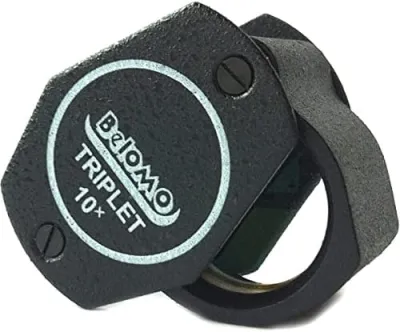
BelOMO 10x Triplet Loupe
The loupe to buy once and carry for decades.
Check price on Amazon
Hudson Exchange 5 Gallon Bucket with Gamma Seal Lid
The bucket setup serious diggers keep in the truck.
Check price on AmazonDisclosure: Gear links may earn a commission as an Amazon Associate — at no extra cost to you. Learn more.
National park geology
Haleakalā offers stark crater scenery, cinder cones, and basalt flows. Some mineral references mention augite crystals, but that is a geologic observation, not permission. Hawaiʻi Volcanoes is a living lab where lava, cinder, and Pele’s hair are protected. Park staff say visitors mail rocks back every year, often with apology letters, so skip the souvenirs and take photos instead.
Olivine, green sand, and beaches
Olivine, the gem form peridot, occurs in Hawaiian basalt and collects on the famous green-sand beach on Hawaiʻi Island. The beach is a popular and fragile site with managed access and cultural significance. Even small pocketfuls add up when thousands of visitors do it. If you want olivine jewelry, buy it from a local artist or shop. For more context, see Kaena Point, a protected Oʻahu reserve where fresh flows and coastal terraces are for observation. Seabirds nest there, so stay on trails.
Black coral and the state gem
Hawaii’s state gem is black coral. It is an organism harvested from deep water under state regulation, not a mineral you can dig. The Black coral listing is background for the “state gem” question. Do not collect coral from reefs or beaches, since marine life is protected.
Where to learn more
- Visit the park visitor centers and museums for rock displays
- Join guided geology hikes run by parks and nonprofits
- Read Hawaii Volcano Observatory updates before traveling
- Buy local gems and stone from licensed shops, with ethical sourcing
Season, safety, and gear
- Dry season: roughly May through September on many leeward coasts
- Hazards: surf, vog, slippery lava, flash floods, and eruption closures
- Kit: sturdy shoes, hat, water, sun protection, and a hand lens for observation only
- Etiquette: stay on trails, leave stones, avoid cultural features, and respect local guidance
- Live browse: near me · states
Plan your next stop
Continue with the national hubs so you can compare digs, GPS distance, and state maps:
- Dig-sites map — national fee digs with fees and keep rules
- Near me GPS — sort sites by distance from you
- Hawaii rockhounding map — GPS listings for this guide
- Fee gems explained — pay-to-dig vs free land
Reality check
Hawaii is look-only for most visitors. Parks ban removal, shorelines and cultural sites are protected, and eruption hazards are real. There is no BLM-style free collecting zone to chase. Use the Hawaii state hub for geology context, then leave every stone in place.
Spots from our directory
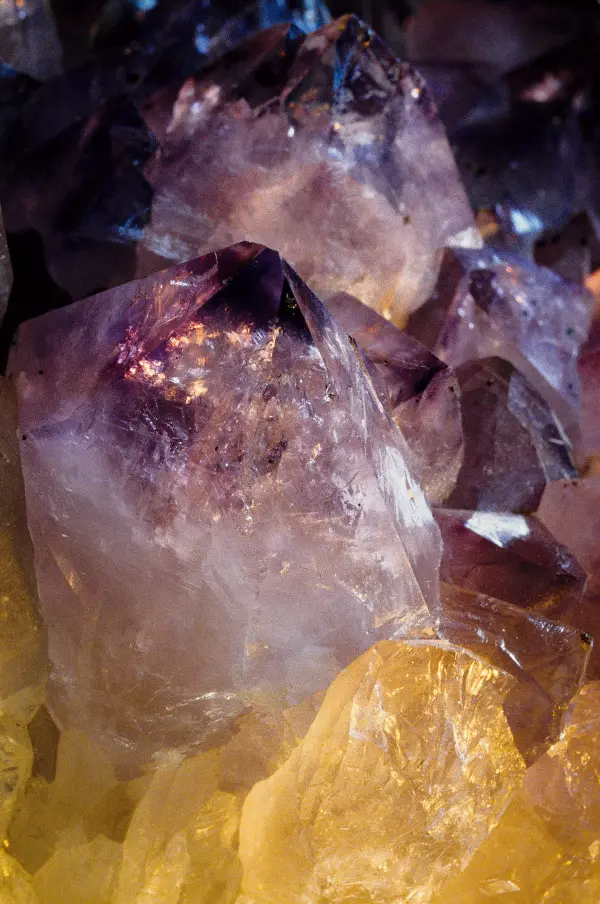
Haleakala National Park
Haleakala National Park on Maui, a shield volcano rising to 10,023 feet with summit crater views, alpine desert, and rain-forest valleys. Olivine basalt and volcanic cinder dominate the bedrock. Collecting rocks, minerals, or cinder is prohibited throughout the National Park Service unit.
View details
Hawaii Volcanoes Np Map
Hawaii Volcanoes NP Map is a documented rockhounding destination in HI. Collectors visit for mixed minerals and rocks and related material. Access rules and land ownership vary — confirm current status with the managing agency or landowner before collecting.
View detailsBlack Coral
Black Coral is a documented rockhounding destination in HI. Collectors visit for mixed minerals and rocks and related material. Access rules and land ownership vary — confirm current status with the managing agency or landowner before collecting.
View detailsKaena Point Basalt Coast
Remote northwest Oahu coastline exposes fresh olivine basalt flows and marine terraces for geological study within a protected reserve.
View detailsFrequently asked questions
What is Hawaii’s state mineral or gem?
Hawaii’s official state gem is black coral — a marine organism, not a diggable mineral. Searches for “Hawaii state mineral” often want that answer plus park collecting bans. Do not remove coral, rocks, or sand from national parks.
Can you rockhound in Hawaii?
National parks (Haleakalā, Hawaiʻi Volcanoes) ban removing rocks, sand, and natural features. Beach olivine and basalt context exist elsewhere, but many shorelines and cultural sites are protected. Prefer look-and-learn geology over collecting.
Is there a Hawaii rockhounding map?
Our Hawaii state hub lists research pins with GPS — treat them as geology context, not dig invitations.
Can I take lava rock or sand home from Hawaii?
Not from national parks, state parks, or most protected shorelines. Removal rules vary by site, and parks regularly receive returned rocks by mail. Buy finished souvenirs from local shops instead of pocketing anything from the ground.
Where can I see olivine in Hawaii?
Olivine crystals show up in some basalt and in the famous green-sand beach on Hawaiʻi Island. Access to that beach is regulated and cultural, and removal is discouraged or prohibited, so look and photograph without collecting.
Where can I see Hawaiian geology without breaking rules?
Visit Hawaiʻi Volcanoes National Park, Haleakalā, state geology exhibits, and museums on each island. Stay on marked trails, respect closures from eruptions or hazards, and leave every stone in place.