Rockhounding in Kansas is permission-first prairie agate and jasper country — use our Kansas map, ask before you dig, and consider Oklahoma Salt Plains for a managed public dig.
Rockhounding in Kansas is prairie silica with ranch permission. You will not find open desert BLM tracts here. Kansas has flint and chert, Smoky Hill chalk and its fossils, Dakota sandstone concretions, and scattered agate and jasper float, but nearly all of it sits on private farms and ranches.
Use the Kansas state hub for GPS, and plan to ask before entering anything.
Goal → first stop
| What you want | Start here |
|---|---|
| Moss agate and chalk context | Smoky Hill River moss agate |
| Preserve and prairie scenery | Smoky Valley Ranch |
| Managed public dig nearby | Oklahoma Salt Plains |
| Agate identification | How to spot an agate |
| Statewide GPS | Kansas state hub |
Land rules cheat sheet
| Land type | Collecting reality |
|---|---|
| Private ranches and farms | Most Kansas ground. Written or clear verbal permission is required, and gates stay as you found them. |
| Preserves (including Smoky Valley Ranch) | Collecting may be restricted or prohibited. Contact the manager. |
| Federal reservoirs (Army Corps) | Removal of natural formations and fossils is generally prohibited on Corps project lands. |
| State parks and wildlife areas | Collecting is usually banned or tightly limited. Check posted rules. |
| Navigable river beds | Access and ownership rules are complex, and banks are typically private. Do not cross fences to reach gravel. |
| National grasslands | Limited ground. Confirm with the agency. |
Things you need to go rockhounding in Kansas
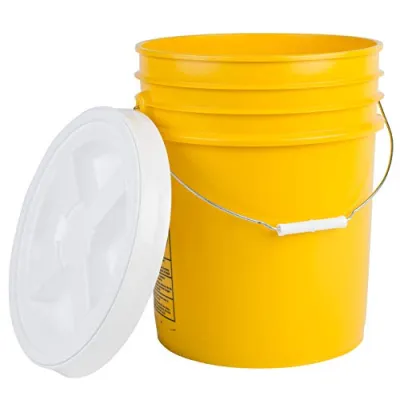
Hudson Exchange 5 Gallon Bucket with Gamma Seal Lid
The bucket setup serious diggers keep in the truck.
Check price on Amazon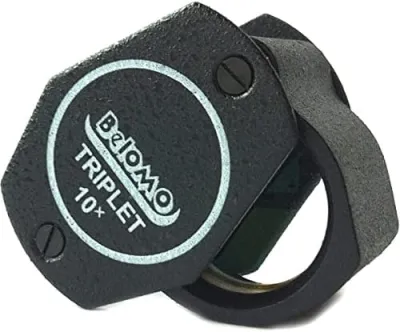
BelOMO 10x Triplet Loupe
The loupe to buy once and carry for decades.
Check price on Amazon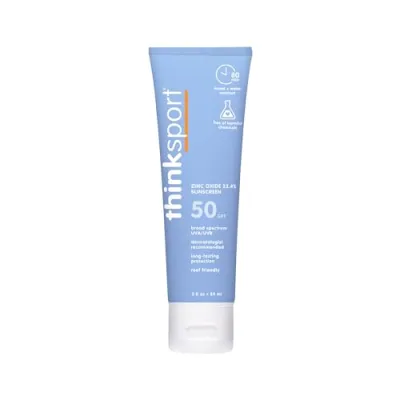
ThinkSport Sport Mineral Sunscreen
The best blend of mineral protection and wearability for field work — start here.
Check price on AmazonDisclosure: Gear links may earn a commission as an Amazon Associate — at no extra cost to you. Learn more.
Smoky Hill country
Western Kansas along the Smoky Hill River exposes Cretaceous chalk, shale, and thin nodule layers. The moss agate listing points to a research area for agate and chalk, not a guaranteed dig. Smoky Valley Ranch is a preserve where agate nodules weather out of draws, and collecting rules can be strict. Monument Rocks and Castle Rock are famous chalk formations on private ranch ground. Photograph them from the road or on a permitted visit, and leave fossils where they sit.
Flint Hills and chert
Eastern and central Kansas hold limestone and chert that older residents called flint. Pieces are useful for learning about silica but rarely gem-grade. Collect only from creeks and fields where you have permission, and leave anything that looks like an artifact. Tribal and archaeological protections apply even on private land.
Concretions and river gravels
Dakota Formation sandstone concretions in north-central Kansas make odd round and ring-shaped stones. They are fun to see, but many sites are private attractions or owner-controlled. River gravels in the Kansas, Arkansas, and Solomon systems may include jasper and agate pebbles carried from the Rockies. Hunt low-water bars only with legal access, and expect small, rolled pieces.
Southeast Kansas lead country
The Tri-State district around Galena once produced lead and zinc, and galena is Kansas’s state mineral. That is also mine-waste country with health and cleanup concerns. Treat tailings as a hazard, not a collecting ground.
Season, heat, and gear
- Best: March through May and September through November
- Summer: heat, ticks, thunderstorms, and tornado risk
- Safety: watch for livestock, rattlesnakes, and washed-out gravel roads
- Etiquette: introduce yourself, offer to share finds, close gates, and leave no trash
- Kit: hat, water, sunscreen, a hand lens, and a bucket
Neighbors
Oklahoma · Nebraska · Colorado · Missouri · South Dakota Fairburn
Plan your next stop
Continue with the national hubs so you can compare digs, GPS distance, and state maps:
- Dig-sites map — national fee digs with fees and keep rules
- Near me GPS — sort sites by distance from you
- Kansas rockhounding map — GPS listings for this guide
- Oklahoma rockhounding map — GPS listings for this guide
- Collecting on BLM land — personal-use limits
- Fee gems explained — pay-to-dig vs free land
Reality check
Kansas is permission-first and club-friendly. Preserves and Corps lands restrict collecting, the iconic chalk sites are private, and mine-waste areas can be unsafe. If you want a guaranteed public dig, pair this guide with the Oklahoma Salt Plains trip and use the Kansas state hub for planning.
Spots from our directory
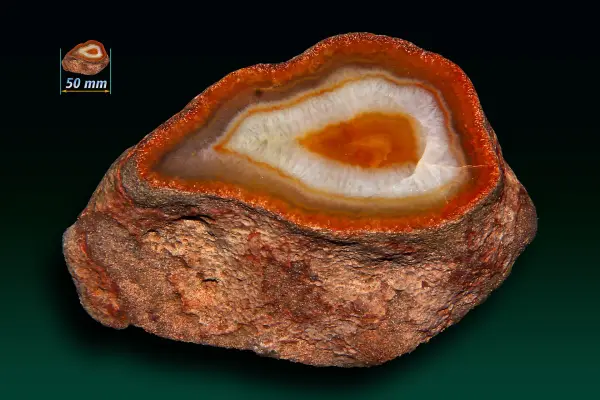
Smoky Hill River (moss Agate)
Smoky Hill River (moss agate) is a documented mineral occurrence in Kansas. Reported specimens include Moss Agate, Chalk. Verify land access and collecting rules before visiting.
View detailsSmoky Valley Ranch Agate
A Nature Conservancy working ranch in southern Logan County, Kansas, where chalk bluffs above the Smoky Hill River expose Cretaceous Niobrara Formation badlands. It is a hiking and wildlife preserve, not a collecting site, and rock and fossil collecting are not permitted.
View detailsFrequently asked questions
Where can I go rockhounding in Kansas?
Kansas collecting is mostly prairie agate, jasper, and silica float on private ranch ground — permission is required. Use our Kansas state hub for GPS research. Neighboring Oklahoma Salt Plains selenite is a managed public dig alternative.
Is there a Kansas rockhounding map?
Our Kansas state directory lists cataloged pins with GPS. Confirm ownership before entering any ranch or creek.
Can beginners rockhound in Kansas?
Yes with landowner permission and heat planning. Public free digs are scarce compared with western BLM states — clubs help.
Can I collect at Monument Rocks or Smoky Valley Ranch?
Assume no. Monument Rocks is on private ranch land, and Smoky Valley Ranch is a preserve where collecting may be restricted. Treat both as look-and-photograph stops unless the owner or preserve staff gives written permission.
Is Kansas good for fossils?
Yes, especially chalk country in the west, but nearly all of it is private or protected. Join a club, a museum program, or a university field trip rather than walking onto ranches uninvited.
Is there a lead or galena danger in southeast Kansas?
Yes. The Tri-State mining district left lead- and zinc-bearing mine waste, and some areas have cleanup status. Avoid collecting from chat piles or tailings unless a land manager says it is safe, and wash hands after any field day.