Rockhounding in Louisiana centers on sand opal (Aben/Leesville research), Catahoula agate gravels, and petrified palm wood as the state fossil — use the Louisiana map and confirm land status before you dig.
Louisiana rockhounding is a small, permission-first hobby built on three things: sand opal, agate and jasper gravels, and petrified palm wood. The state has no BLM land and no big public rockhound areas, so success comes from reading land status, not from chasing a pin.
Use the Louisiana state hub for GPS, then open each listing for access notes before you drive.
Goal → first stop
| What you want | Start here |
|---|---|
| Sand opal history and context | Aben Opal Sands · Leesville opal area |
| Agate and jasper gravel | Catahoula Agate Gravels |
| Forest creek cobbles | Kisatchie Bayou agate |
| State fossil | Petrified palm wood |
| Statewide GPS | Louisiana state hub |
Land rules cheat sheet
| Land type | Collecting reality |
|---|---|
| BLM | None in Louisiana — western free-dig habits do not apply. |
| Kisatchie National Forest | May allow limited personal hand collecting of common rock; each ranger district sets details. Ask before you go. |
| State parks and wildlife areas | Removing rocks, fossils, or plants is generally prohibited. |
| Navigable rivers and bayous | Gravel bars below the ordinary high-water line are often public, but the banks behind them are usually private. Do not cross posted land to reach a bar. |
| Private land and leases | Written or clear verbal permission only. This is where most opal and agate lives. |
Things you need to go rockhounding in Louisiana
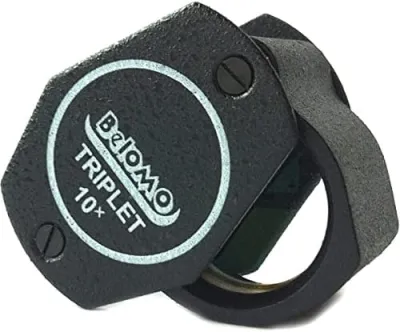
BelOMO 10x Triplet Loupe
The loupe to buy once and carry for decades.
Check price on Amazon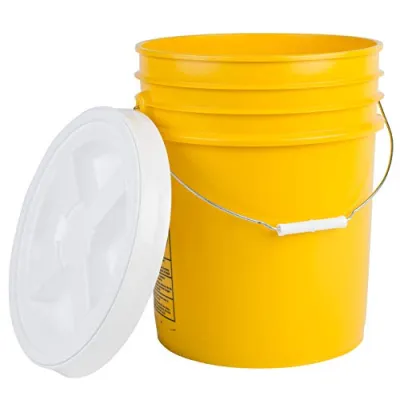
Hudson Exchange 5 Gallon Bucket with Gamma Seal Lid
The bucket setup serious diggers keep in the truck.
Check price on Amazon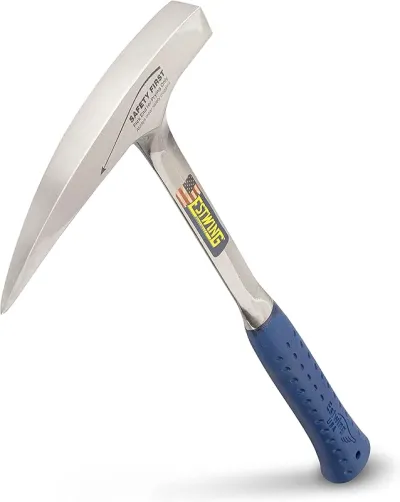
Estwing 22 oz Geological Pick
If you buy one hammer, make it this one.
Check price on AmazonDisclosure: Gear links may earn a commission as an Amazon Associate — at no extra cost to you. Learn more.
Sand opal around Leesville
Louisiana sand opal is sandstone from the Catahoula Formation that was cemented by precious opal, so you get grainy rock with flashes of color. The famous historic workings near Leesville are private and largely mined out. Aben Opal Sands and the Leesville area are best treated as geology context. Expect to see good pieces in museums and at gem shows, not to find them on a casual weekend. Military land around Fort Polk is not open for collecting.
Catahoula and Kisatchie agate belt
Agate is the state mineral, and the realistic hunting is creek and gravel-pit float: tan, gray, and honey chalcedony, jasper, and silicified wood eroded from Catahoula exposures. The Catahoula gravels near Jonesville and Ferriday are mostly private pits, so ask landowners. In Kisatchie, stream cobbles are the target; confirm district rules and walk gravel, never banks or trail structures. Expect small pieces and long hours.
Florida Parishes and river gravels
East of the Mississippi, Citronelle gravels wash out along the Amite, Tangipahoa, and Pearl rivers. They hold quartz, chert, and the occasional agate or palm wood fragment. Low water in fall is best. Check Louisiana Scenic Rivers and wildlife-area rules, and remember that the Ouachita and Sabine systems carry similar gravel to bars used by anglers and paddlers. Public does not mean safe: watch current and snags.
Petrified palm wood
The state fossil turns up in gravel pits and creek beds, usually as dark, fibrous chunks. Palm wood listings are leads, not guarantees. Collect only where the owner or agency says yes.
Season, heat, and gear
- Best: October through April, when creeks run low and the heat eases
- Summer: heat index, mosquitoes, ticks, and snakes make fieldwork miserable
- Flood stage: check river gauges before you drive
- Kit: boots, long sleeves, bug spray, water, a bucket and pick for permitted spots — see rock picks, collecting buckets, and a hand lens
Neighbors
Mississippi · Texas · Arkansas
Plan your next stop
Continue with the national hubs so you can compare digs, GPS distance, and state maps:
- Dig-sites map — national fee digs with fees and keep rules
- Near me GPS — sort sites by distance from you
- Louisiana rockhounding map — GPS listings for this guide
- Mississippi rockhounding map — GPS listings for this guide
- Fee gems explained — pay-to-dig vs free land
Reality check
Louisiana is permission-first river and sand country. The historic opal ground is private, parks ban removal, and gravel bars flood. Do not trust a pin as an invitation. Call, ask, and use the Louisiana state hub to plan.
Spots from our directory

Aben Opal Sands
Western Louisiana gravel beds near Vernon Parish occasionally yield opalized wood and agate in Catahoula Formation sands.
View detailsLeesville (opal Area)
Leesville (opal area) is a documented mineral occurrence in Louisiana. Reported specimens include Louisiana Opal. Verify land access and collecting rules before visiting.
View details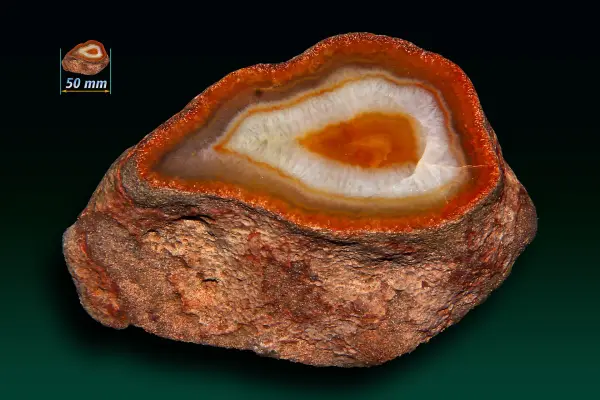
Catahoula Agate Gravels
Gravels of the Catahoula Formation in northeast Louisiana yield agate and chalcedony nodules in creek beds and gravel pits.
View details
Petrified Palm Wood
Petrified Palm Wood is a documented rockhounding destination in LA. Collectors visit for petrified wood, agate and related material. Access rules and land ownership vary — confirm current status with the managing agency or landowner before collecting.
View detailsKisatchie Bayou Agate
Forest streams in Kisatchie National Forest carry agate and jasper cobbles eroded from Catahoula Formation exposures.
View detailsFrequently asked questions
Where can I find Louisiana sand opal?
Louisiana sand opal searches point to western/central sand and gravel districts such as Aben Opal Sands and Leesville-area research pins — confirm land status, water levels, and private property before you dig. Use our Louisiana state hub for GPS.
What is Louisiana’s state fossil?
Louisiana’s state fossil is petrified palm wood — hobbyists research palm-wood localities with permission, not park free-for-alls. Pair with our petrified palm wood listing and this guide.
What is Louisiana’s state mineral or gem?
Agate is Louisiana’s state mineral (gemstone). Catahoula and Kisatchie gravel belts are classic research starts — verify access and keep rules on each parcel.
Can you rockhound in Louisiana?
Yes with permission-first planning — sand opal, agate gravels, and petrified palm wood are the main targets. Many productive bars are private, leased, or seasonally flooded.
Is there a Louisiana rockhounding map?
Our Louisiana state directory lists opal sands, Catahoula agate, and palm-wood pins with GPS and access notes.
Is Louisiana sand opal the same as Australian opal?
No. Louisiana sand opal is sandstone naturally cemented by precious opal, so the stone is a mix of sand grains and opal rather than a clean seam. The historic source near Leesville is private and mostly worked out, so today it is a museum and gem-show story more than a dig.
Can I collect rocks in Kisatchie National Forest?
Forest Service rules often allow small amounts of common rocks for personal use with hand tools, but each ranger district can add limits. Call the district office first, and stay out of developed recreation areas, cultural sites, and anything under permit.