Rockhounding in Florida centers on beach shark teeth, Peace River fossils, and agatized coral — with Florida Fossil Permit rules for most vertebrates on state lands and a hard ban inside state parks. Use our Florida map for GPS and access notes.
Rockhounding in Florida is mostly a fossil-and-beach hobby: shark teeth on Gulf sand, Peace River gravel, and agatized coral, the state stone. It is not a mountain-crystal state. The decisions that matter are land status and the Florida Fossil Permit rules. This guide is checked against Florida Museum, county, and DEP pages as of October 2026.
Use the Florida state hub as your Florida rockhounding map, then confirm the manager before you dig.
Watch: where can you find megalodon teeth?
Peace River and Gulf beach context — plus why mostly teeth fossilize and land rules matter.
Watch on YouTube: Where Can You Find Megalodon Teeth? — then read Peace River and beach rules below.
Watch: hunting megalodon teeth in Florida
Beach and river context for Florida hunts — with realistic expectations on tooth size.
Watch on YouTube: Hunting Megalodon Teeth in Florida — then confirm permit and park rules below.
Things you need to go rockhounding in Florida
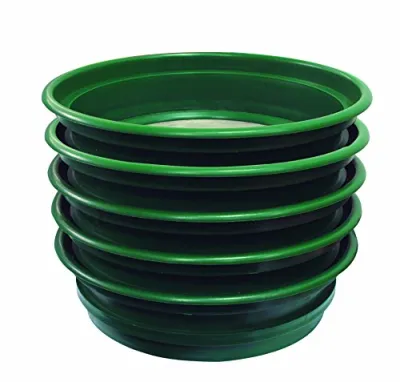
SE 5-Pack Stackable Classifier Set
If you buy one classifying kit, buy this set.
Check price on Amazon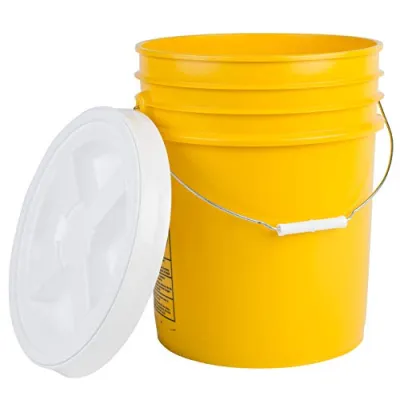
Hudson Exchange 5 Gallon Bucket with Gamma Seal Lid
The bucket setup serious diggers keep in the truck.
Check price on Amazon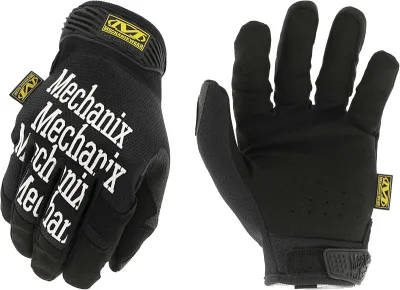
Mechanix Work Gloves with Grip
The default glove for collectors who need feel and protection.
Check price on Amazon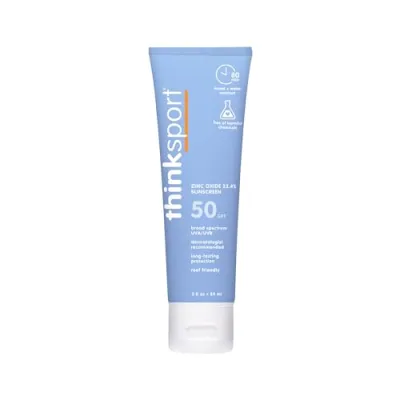
ThinkSport Sport Mineral Sunscreen
The best blend of mineral protection and wearability for field work — start here.
Check price on AmazonDisclosure: Gear links may earn a commission as an Amazon Associate — at no extra cost to you. Learn more.
Goal → first stop
| What you want | Start here |
|---|---|
| Beach shark teeth | Public Gulf beaches outside parks (Venice corridor) + near me GPS |
| River fossils | Peace River |
| Agatized coral / chalcedony | Agatized Coral |
| East-coast beach context | Ormond Beach |
| Statewide GPS | Florida state hub |
| Fossil overview | Fossil specimens |
Florida rockhounding map
Browse the Florida directory as your map. Sort live with fossils near me, or use the national dig-sites list for fee digs elsewhere.
Rules that decide your trip
| Situation | Reality |
|---|---|
| Shark and ray teeth | Keepable on eligible state land without the vertebrate permit |
| Other vertebrate fossils on state land | Florida Fossil Permit required (about $5 a year); report finds |
| Invertebrate and plant fossils on state land | Usually surface-collectable without that permit |
| State parks, many refuges, WMD lands | No collecting |
| County beaches | County ordinance applies; washed-up teeth and shells are allowed, digging and dune disturbance are not |
| Private land | Owner permission; fossils belong to the owner |
State land includes submerged river bottoms, not just uplands. Official overviews: Florida DEP fossil collecting and the Florida Fossil Permit page.
Watch: shark teeth hunting — 3 tips
Waterline, wrack, and sifting tactics that work on Gulf fossil beaches.
Watch on YouTube: Shark Teeth Hunting (3 Tips) — then read Venice-corridor access notes below.
Shark teeth on the Gulf beaches
Venice, Caspersen, Casey Key, and Manasota Key are the famous strands because Miocene and Pliocene material erodes offshore and washes ashore as black, glossy teeth. Hunt the wrack line and the waterline drop-off with a handheld sifter; most finds are small. Caspersen Beach is a Sarasota County park whose vehicle access washed out in 2024, so you currently walk or bike in from South Brohard Park. County rules allow washed-up shark teeth but prohibit digging or removing sand, so skim the surface and stay out of the dunes. Sea turtle nesting runs May through October.
Peace River fossils
Peace River is the inland classic, best in the dry season (roughly November through spring) when the water is clear and shallow. Common public starting points run from Zolfo Springs to Arcadia, including county ramps and parks, and canoe outfitters rent boats and sell sifters. Water level matters more than lore: collectors watch the USGS gauges at Zolfo Springs and Arcadia and go only when the shallows are exposed. Use a shovel and screen in the gravel, not the eroding banks, and watch for alligators. Teeth, plants, and invertebrates need no permit; mammoth, horse, and other bones do.
Watch: coprolite fossil poop
Why collectors keep fossilized dung — and how it differs from random creek mudballs.
Watch on YouTube: Coprolite Fossil Poop — then confirm permit rules for vertebrate material before pocketing bones.
Watch: fulgurite lightning glass
How lightning fuses sand into fragile tubes — a beach and desert oddity, not a fee-dig staple.
Watch on YouTube: Fulgurite Lightning Glass — then stick to legal beach finds and leave dune systems intact.
Agatized coral
Agatized coral is a chalcedony replacement of fossil coral, and Florida’s state stone since 1979. Historic Tampa Bay material is mostly gone under development; collectors now look to the Withlacoochee and Suwannee river beds and the Econfina River area, usually by wading or snorkeling at low water. Stay outside state park boundaries such as the White Springs park, and ask permission at any construction site. See the agatized coral listing.
Getting the permit right
The permit is issued through the Florida Museum of Natural History, which verifies identification before approving it. It covers vertebrate fossils on state land only, and the museum may ask to examine significant finds, though most are returned to the collector. If you are unsure whether a bone is vertebrate, photograph it in place and ask the museum rather than pocketing it. County-owned beaches follow county rules, and private property follows the owner.
Planning tips
- Heat and sun: carry water and sunscreen; thunderstorms build fast
- Screens and buckets: mesh screens, buckets, gloves, sunscreen; see essential rockhounding tools
- Expectations: tiny teeth outnumber megalodon teeth; hunt only where legal
- Cross-state: pair with Georgia on a longer trip
Florida rewards collectors who treat permits and park lines as the first filter, then hunt teeth and coral with realistic expectations.
Plan your next stop
Continue with the national hubs so you can compare digs, GPS distance, and state maps:
- Dig-sites map — national fee digs with fees and keep rules
- Near me GPS — sort sites by distance from you
- Florida rockhounding map — GPS listings for this guide
- Fee gems explained — pay-to-dig vs free land
Spots from our directory

Peace River
Fossil collection site, Hardee County, Florida. Environment: terrestrial indet.. Source: Paleobiology Database (PBDB), CC BY 4.0.
View details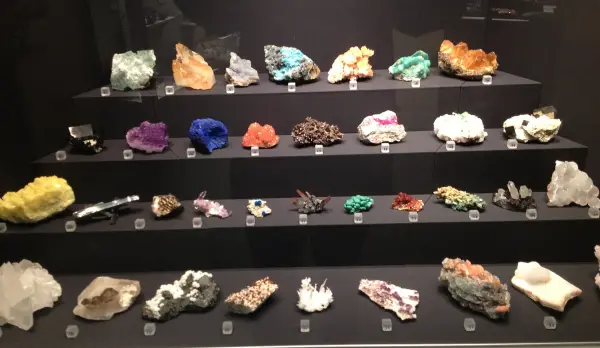
Agatized Coral
Agatized Coral is a documented rockhounding destination in FL. Collectors visit for mixed minerals and rocks and related material. Access rules and land ownership vary — confirm current status with the managing agency or landowner before collecting.
View detailsOrmond Beach
Fossil collection site, Volusia County, Florida. Environment: foreshore. Source: Paleobiology Database (PBDB), CC BY 4.0.
View detailsWekiva River
Fossil collection site, Levy County, Florida. Environment: marine indet.. Source: Paleobiology Database (PBDB), CC BY 4.0.
View details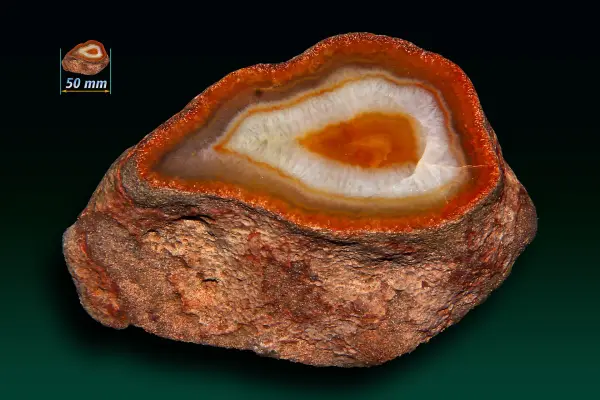
Lakeland
Lakeland is a documented mineral occurrence in Florida. Reported specimens include Chalcedony, Silicified coral. Verify land access and collecting rules before visiting.
View detailsFrequently asked questions
Can you rockhound in Florida?
Yes with strict land rules. Shark and ray teeth plus many invertebrate and plant fossils may be collected on eligible non-park state lands without a vertebrate fossil permit. Other vertebrate fossils on state lands need a Florida Fossil Permit. State parks and many managed areas ban collecting.
Where can I find shark teeth in Florida?
Gulf beaches around Venice and Caspersen are classic surface-hunting spots; Peace River gravel is another popular corridor when access allows. Start early after storms, use a screen, and stay outside park boundaries.
Do I need a Florida Fossil Permit?
Shark and ray teeth, invertebrates, and plant fossils generally do not require the permit. Other vertebrate fossils on state lands do — a low-cost annual permit through the Florida Museum of Natural History, with reporting rules for significant finds.
Can I collect in Florida state parks?
No. Florida statutes and park rules prohibit collecting specimens in state parks. Hunt public beaches and eligible lands outside park lines.
Can you do gold panning in Florida?
Florida has essentially no native placer-gold rockhounding scene. Beach shark teeth, Peace River fossils, and agatized coral are the real hobby. Skip fake “Florida gold pan” lists and use our Florida map for fossils instead.
Is there a fossil layer map for Florida?
Use our Florida state hub as the practical fossil layer map — beach and Peace River gravel zones with GPS. Pair with Florida Fossil Permit rules for vertebrates on state lands; parks often ban collecting.
Is there a Florida rockhounding map?
Our Florida state hub lists Peace River, agatized coral, beach, and quarry context listings with GPS — treat pins as research leads and verify managers before you dig.