Rockhounding in North Carolina centers on emerald (state precious stone), Cowee ruby-sapphire fee digs, Reed Gold Mine context, and Spruce Pine pegmatites — use the NC map and confirm fee-dig hours before you go.
North Carolina state mineral searches want emerald, and the honest hobby answer is a Blue Ridge fee dig, not a free roadside emerald pit. The state is also a major mineral producer, but nearly all of that ground is private, industrial, or parkland.
Use the North Carolina state hub for GPS, then call before you drive.
Goal → first stop
| What you want | Start here |
|---|---|
| Emerald and hiddenite digging | Emerald Hollow Mine · Hiddenite area |
| Mine-tour and gem-bucket experience | Emerald Village |
| Ruby and sapphire | Cowee Valley |
| Gold history and panning | Reed Gold Mine |
| Pegmatite geology | Spruce Pine district |
| Statewide GPS | North Carolina state hub |
Land rules cheat sheet
| Land type | Collecting reality |
|---|---|
| Fee mines and attractions | Best path. Pay a dig or bucket fee and keep what you find, subject to each operator’s posted rules. |
| State historic sites | Reed Gold Mine is a historic site, so follow staff rules and use its panning program. |
| State parks | Removal of rocks and minerals is generally prohibited. |
| National Park Service (including the Parkway) | Collecting is prohibited. |
| National forests | Pisgah and Nantahala rules vary by district. Ask before you collect, and expect claims and cultural sites. |
| Private land and mining claims | Permission only. Spruce Pine mines are active industrial sites. |
Things you need to go rockhounding in North Carolina
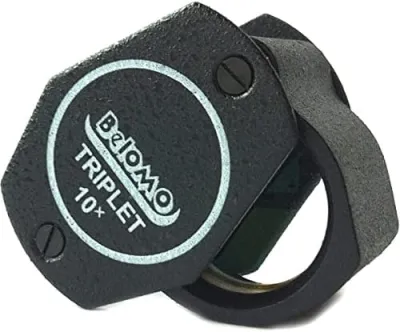
BelOMO 10x Triplet Loupe
The loupe to buy once and carry for decades.
Check price on Amazon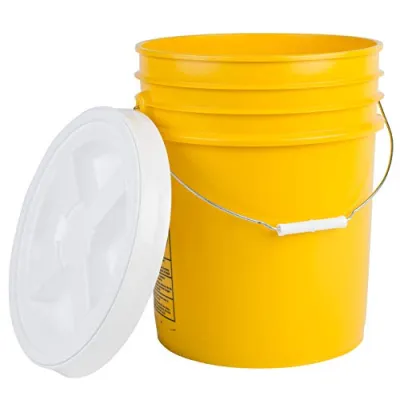
Hudson Exchange 5 Gallon Bucket with Gamma Seal Lid
The bucket setup serious diggers keep in the truck.
Check price on Amazon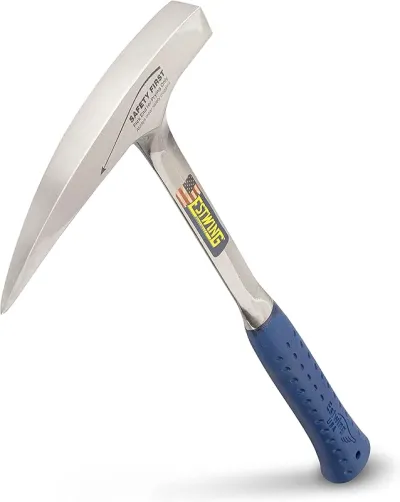
Estwing 22 oz Geological Pick
If you buy one hammer, make it this one.
Check price on AmazonDisclosure: Gear links may earn a commission as an Amazon Associate — at no extra cost to you. Learn more.
Hiddenite and the emerald belt
Watch: where to find emeralds in the US
Emerald Hollow / Hiddenite context — fee digs beat myths about free roadside emerald pits.
Watch on YouTube: Where to Find Emeralds in the US — then plan Emerald Hollow below.
Alexander County is the emerald and hiddenite (green spodumene) district. Emerald Hollow Mine sells screening buckets and lets you dig and sluice for a fee. Gem-quality emerald is rare in any bucket, but quartz crystals, smoky and amber quartz, and mica-rich specimens are common and fun. Expect a muddy half-day, not a payday. Open months run roughly March through November, so confirm current dates.
Cowee Valley ruby and sapphire
Around Franklin in Macon County, creek gravels hold small rubies and sapphires that fee mines wash into buckets. Many stones are cloudy or small, but color-change and pink to purple pieces turn up. Stay in the managed sluice areas, because the surrounding creeks and land are private. The Cowee listing reflects a May through October window.
Spruce Pine pegmatites
The Spruce Pine district is famous for ultra-pure quartz and feldspar, but the mines are closed to the public. Visit the Museum of North Carolina Minerals near the Parkway or take a tour at Emerald Village instead of trespassing at quarries.
Reed Gold Mine
Reed Gold Mine preserves the site of the first documented U.S. gold discovery, in 1799. Visitors tour tunnels, learn the history, and pan in a controlled trough. It is a good family stop but not a prospecting free-for-all.
A simple two-day plan
Base in the Hiddenite or Statesville area for a morning at Emerald Hollow, then drive west on day two for a mine tour near Spruce Pine or a ruby bucket in Franklin. Keep a day for rain, since most digs run wet and some close in storms. Save finds in labeled bags, and ask staff whether they help identify stones, since policies differ.
Season, mud, and gear
- Fee digs: mostly spring through fall, with holiday and weather closures
- Wear: closed-toe shoes that can get wet and muddy
- Bring: towel, water, sunscreen, and a hand lens to check mica and quartz
- Tools: many mines provide screens, but confirm before bringing your own pick or bucket
Neighbors
South Carolina · Virginia · Tennessee · Georgia · dig sites
Plan your next stop
Continue with the national hubs so you can compare digs, GPS distance, and state maps:
- Dig-sites map — national fee digs with fees and keep rules
- Near me GPS — sort sites by distance from you
- North Carolina rockhounding map — GPS listings for this guide
- South Carolina rockhounding map — GPS listings for this guide
- Public gem mining sites — fee-dig checklist
- Fee gems explained — pay-to-dig vs free land
Reality check
North Carolina gem hunting is fee-dig and permission-first. Parks and the Parkway ban collecting, Spruce Pine is industrial, and quality stones are rare even at the best mines. Buy a bucket, enjoy the day, and use the North Carolina state hub to plan.
Spots from our directory

Emerald Hollow Mine
A 69-acre pay-to-dig gem mine at Hiddenite in Alexander County, North Carolina, billed as the only emerald mine in the world open to the public for prospecting, where one day permit covers sluicing, creeking and digging in native Hiddenite district soil.
View details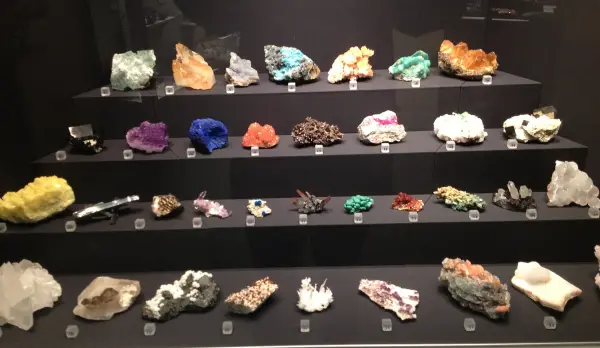
Cowee Valley Ruby Sapphire
Cowee Valley north of Franklin in Macon County, North Carolina, where corundum rubies and sapphires occur in stream gravels and saprolite. Several commercial mines work the valley, and the Cherokee Ruby and Sapphire Mine is the best known of the unsalted native-dirt operations.
View detailsReed Gold Mine
Reed Gold Mine is a documented mineral occurrence in North Carolina. Reported specimens include Azurite, Gold, Malachite, Quartz crystals, Scheelite, Sphalerite, Siderite, Cuprite, Barite, Galena. Verify land access and collecting rules before visiting.
View details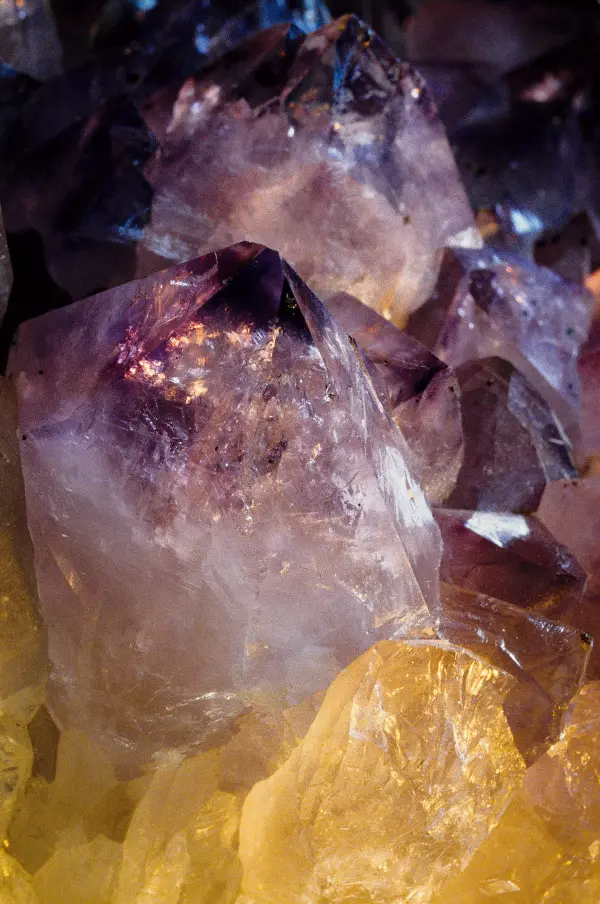
Spruce Pine Pegmatite District
The Spruce Pine district hosts massive pegmatites that supply industrial quartz and feldspar; collector access is mostly observational on public roads.
View detailsHiddenite
Hiddenite is a documented mineral occurrence in North Carolina. Reported specimens include Emerald, Quartz, Smoky Quartz, Amber Quartz. Verify land access and collecting rules before visiting.
View details
Emerald Village
Emerald Village is a documented mineral occurrence in North Carolina. Reported specimens include Mixed minerals. Verify land access and collecting rules before visiting.
View detailsFrequently asked questions
What is North Carolina’s state mineral?
Emerald is North Carolina’s official state precious stone/mineral symbol — hobbyists usually meet it at fee digs such as Emerald Hollow Mine rather than free roadside pits. Use this guide and the North Carolina state hub for GPS.
Where can I go gem mining in North Carolina?
Emerald Hollow Mine, Cowee Valley ruby-sapphire fee digs, Emerald Village, and Reed Gold Mine (historic gold context) are classic starts. Confirm hours, keep rules, and bags before you drive.
Where can you find sapphire in North Carolina?
Cowee Valley and related western North Carolina fee digs are the practical sapphire/ruby starts for visitors — not random creek free-for-alls. Pair with our dig-sites hub for keep-what-you-find rules.
Is there a North Carolina rockhounding map?
Our North Carolina state directory lists emerald, ruby-sapphire, gold, and pegmatite pins with GPS and fee notes.
Can beginners gem mine in North Carolina?
Yes — fee digs supply dirt, screens, and keep rules that suit first-timers. Bring closed-toe shoes, water, and patience for mica-heavy concentrate.
Can I collect rocks along the Blue Ridge Parkway?
No. National Park Service units, including the Parkway, prohibit removing rocks and minerals. Spruce Pine mines are private industrial sites, so the legal way to see the district is the Museum of North Carolina Minerals and fee attractions.
Are Hiddenite emeralds real?
Yes. The Hiddenite district in Alexander County produces genuine emerald and the green spodumene variety named hiddenite. Most visitor material comes from fee digs, and gem-quality stones are uncommon even there.