Rockhounding in New Jersey centers on Franklin–Sterling Hill fluorescent minerals, Watchung basalt, Cape May beach quartz, and Edelman Fossil Park — use our NJ map and confirm museum vs park rules.
Rockhounding nj surprises people. This small, crowded state holds a world-famous fluorescent mineral district, ancient basalt with zeolite pockets, quartz pebbles from the Delaware Bay, and a Cretaceous fossil site. What it does not have is western-style free digging. Almost every worthwhile stop is museum-run, ticketed, county-managed, or private.
Goal → first stop
| What you want | Start here |
|---|---|
| Fluorescent minerals | Sterling Hill Mining Museum · Franklin mineral dump · Franklin–Ogdensburg district |
| Fossils | Edelman Fossil Park |
| Beach quartz | Cape May diamonds |
| Basalt amygdules | Watchung basalt |
| Statewide GPS | New Jersey state hub |
Land rules cheat sheet
| Land type | Collecting reality |
|---|---|
| Museum-managed dumps (Franklin, Sterling Hill) | Admission or collecting fee, posted weight or tool limits, and set hours. |
| State parks and forests | Regulations generally prohibit removing natural material. Confirm per unit. |
| County and municipal parks | Rules vary by park. Many ban digging. |
| Beaches | Surface pebbles are usually tolerated, but dune and bluff digging is off-limits. |
| Quarries and road cuts | Active quarries are closed to the public. Road cuts are dangerous and often on state right-of-way. |
| University and research fossil sites | Run by ticketed programs with their own keep rules. |
Things you need to go rockhounding in New Jersey

uvBeast V3 UV Flashlight
The UV light most rockhounds actually carry.
Check price on Amazon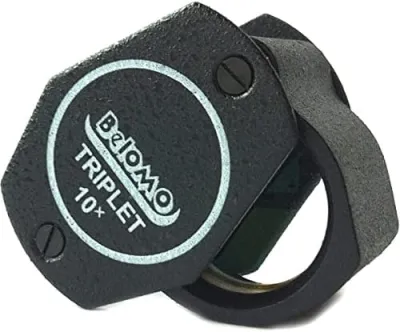
BelOMO 10x Triplet Loupe
The loupe to buy once and carry for decades.
Check price on Amazon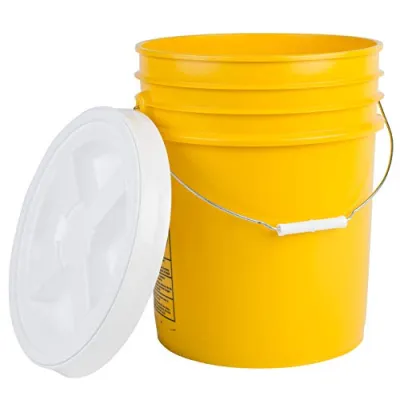
Hudson Exchange 5 Gallon Bucket with Gamma Seal Lid
The bucket setup serious diggers keep in the truck.
Check price on AmazonDisclosure: Gear links may earn a commission as an Amazon Associate — at no extra cost to you. Learn more.
Franklin and Sterling Hill: the headline
The Franklin–Ogdensburg district is a cornerstone of American mineralogy. The zinc-manganese-iron ore body produced hundreds of mineral species, and many glow under shortwave ultraviolet light, famously with green willemite and red calcite. Two operations make this accessible. The Franklin mineral dump tied to the Franklin Mineral Museum allows paid surface collecting on the historic dump, and the Sterling Hill Mining Museum in Ogdensburg offers underground tours plus a collecting area. Both set fees, hours, and rules, so check current schedules, then bring a UV flashlight for evening displays and dark-room exhibits. Franklinite, the zinc-iron oxide that gives the district its name, is more visible in museum cases than in free dumps.
Edelman Fossil Park
The Jean and Ric Edelman Fossil Park in Mantua Township is run by Rowan University near a former quarry that preserves Cretaceous marine life. Visitors can join scheduled public programs, and rules on which finds you may keep are set by the university, so read ticket terms rather than assuming a free-for-all.
Cape May diamonds
“Diamonds” here are wave-tumbled quartz pebbles that wash onto the southern tip of New Jersey. They are clear, hobby-grade, and easy to find, but they are only quartz. Check Cape May diamonds for current beach access, avoid dunes and nesting-bird closures, and treat state park rules as stricter than town-beach custom. Early mornings after wind shifts are best.
Watchung basalt amygdules
The Watchung basalt ridges across northern New Jersey formed from ancient lava flows. Gas bubbles in the basalt filled with zeolites and prehnite, producing amygdules and occasional crystals. Classic quarry localities are mostly closed, built over, or private. Road-cut walls are unstable and busy, so never stop on a highway shoulder to hammer. Use the listing for geology context and look for club trips with permission.
Season and kit
- Franklin and Sterling Hill: check weekend and seasonal schedules; summer is busiest
- Beaches: spring and fall are cooler and less crowded
- Kit: UV flashlights, hand lens, small bucket, gloves — see essential tools
Planning tips
- Confirm museum and fee-dig hours before you drive
- Neighbors: New York / Herkimer · Pennsylvania
- Live sort: near me
Plan your next stop
Continue with the national hubs so you can compare digs, GPS distance, and state maps:
- Dig-sites map — national fee digs with fees and keep rules
- Near me GPS — sort sites by distance from you
- New Jersey rockhounding map — GPS listings for this guide
- New York rockhounding map — GPS listings for this guide
- Public gem mining sites — fee-dig checklist
- Fee gems explained — pay-to-dig vs free land
Reality check
New Jersey rockhounding is museum, beach, and permission-first. Use the New Jersey state hub for GPS, then verify each pin before you drive. A fluorescent mineral that looks great on a webpage is only a hobby result if the dump is open, charged for, and legal to collect.
Spots from our directory
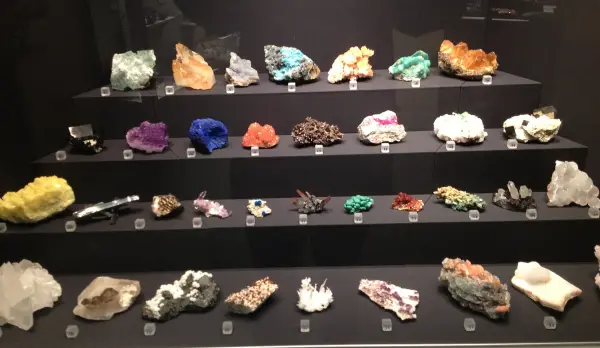
Franklin-ogdensburg-sterling Hill Mining District
Franklin-Ogdensburg-Sterling Hill mining district is a documented mineral occurrence in New Jersey. Reported specimens include Dozens or hundreds of mineral varieties, some gem-quality. Verify land access and collecting rules before visiting.
View details
Sterling Hill Mining Museum
A preserved zinc mine and museum at Ogdensburg, New Jersey, built on one of the world's richest zinc ore bodies, where the underground Rainbow Tunnel lights up willemite and calcite and visitors may collect fluorescent minerals from the Mine Run Dump.
View detailsFranklin Mineral Dump
Franklin and Ogdensburg are the world's premier fluorescent mineral locality with zinc ore minerals that glow under UV light.
View detailsJean & Ric Edelman Fossil Park
Jean & Ric Edelman Fossil Park is a documented mineral occurrence in New Jersey. Reported specimens include Amber, Fossils. Verify land access and collecting rules before visiting.
View details
Cape May Diamonds
Wave-polished quartz pebbles called Cape May diamonds concentrate on southern New Jersey beaches along Delaware Bay.
View detailsWatchung Basalt Amygdules
Mesozoic Watchung basalt flows of the Newark basin contain amygdule fillings of zeolite and prehnite in road cuts across northern New Jersey.
View detailsFrequently asked questions
Where can I go rockhounding in New Jersey?
Franklin–Sterling Hill fluorescent mineral country (museum/fee context), Watchung basalt amygdules, Cape May “diamonds” (beach quartz), and Edelman Fossil Park are classic research targets. Use our New Jersey state hub for GPS and confirm access — many sites are museums, parks, or private.
Can beginners rockhound in New Jersey?
Prefer museum/fee experiences at Sterling Hill and documented beach or park rules over unmarked dumps. UV flashlights help fluorescent mineral displays.
Is there a New Jersey rockhounding map?
Our New Jersey state directory lists Franklin, Watchung, Cape May, and fossil pins with GPS.
What is franklinite?
Franklinite is a zinc-iron oxide mineral famous from the Franklin–Sterling Hill district in New Jersey — usually seen in museum/fee contexts, not free dumps. Pair UV lights with Sterling Hill visits.