Rockhounding in Maryland centers on Chesapeake fossil beaches and serpentine-barrens mineral research — gold panning is low-expectation; use our Maryland map and confirm park vs beach collecting rules.
Gold panning in Maryland is a popular search, but the honest answer is that this is a fossil-and-serpentine state. Maryland has a real gold-mining history near the Potomac, yet almost none of that ground is open to casual panning today. The reliable day out is a shark-tooth walk on the Chesapeake shore. Everything else is research, museum-style looking, or private-permission territory.
Start at the Maryland state hub for GPS pins, then read each listing before you drive.
Goal → first stop
| What you want | Start here |
|---|---|
| Shark teeth and shells | Calvert Cliffs Fossil Beach · Calvert Cliffs State Park |
| Serpentine and chromite country | Soldiers Delight · Chrome Barrens |
| Historic mineral district | Bare Hills mining district |
| Statewide GPS | Maryland state hub |
Land rules cheat sheet
| Land type | Collecting reality |
|---|---|
| Calvert Cliffs State Park beach | Surface fossil hunting on the beach is the park’s headline activity. Digging into or climbing the cliffs is not allowed, and cliff slumps are genuinely dangerous. Read current Maryland DNR park guidance. |
| County and private beach access points | Rules vary by operator. Some charge a fee or limit hours; always follow posted signs. |
| State natural environment areas (Soldiers Delight) | Protected habitat. Treat as look-only and stay on trails. |
| National Park Service land (C&O Canal, Great Falls area) | Removing minerals or gold is prohibited. |
| Private land and old mine sites | Permission required. Many historic pits are now fenced, built over, or hazardous. |
Things you need to go rockhounding in Maryland
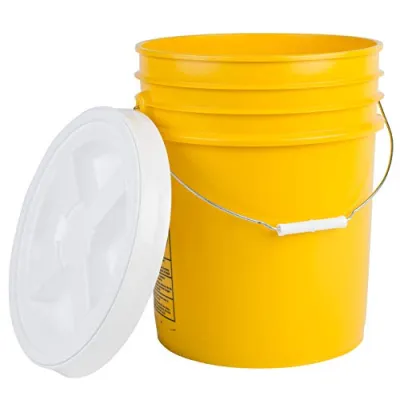
Hudson Exchange 5 Gallon Bucket with Gamma Seal Lid
The bucket setup serious diggers keep in the truck.
Check price on Amazon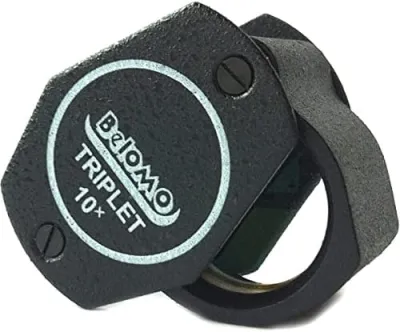
BelOMO 10x Triplet Loupe
The loupe to buy once and carry for decades.
Check price on Amazon
DEWALT DPG82 Concealer Safety Glasses
Buy two pairs — one lives in your pack permanently.
Check price on AmazonDisclosure: Gear links may earn a commission as an Amazon Associate — at no extra cost to you. Learn more.
Calvert Cliffs: the real Maryland hunt
The cliffs along the western Chesapeake shore expose Miocene sediments, roughly fifteen million years old, and the bay slowly washes shark teeth, shell, and bone onto the sand. Most finds are small: sand tiger and other shark teeth, ray plates, and snail shells. Maryland even named a Calvert Cliffs snail, Ecphora, as its state fossil. A giant megalodon tooth is possible but rare, so plan around patience instead of a trophy.
Go at low tide, walk the wrack line, and sift fine gravel with a small screen. Wet sand makes black teeth easier to spot. Stay well back from the cliff face, because slumps happen without warning, and never wade under overhangs. The park trail to the beach is long, so pack water and snacks, and expect it to feel longer on the walk back with a full bucket. The Calvert Cliffs Fossil Beach and state park listings overlap, so confirm which access point you are actually using.
Serpentine barrens and chromite
Soldiers Delight, west of Baltimore, protects a rare serpentine grassland. Its thin, metal-rich soil supports unusual plants, and chromite was once mined nearby. Today it is a conservation area, so Soldiers Delight and Chrome Barrens are for geology and botany walks, not digging. The Bare Hills mining district is a historic mineral locality listed with serpentine-group minerals, garnet, and quartz. Much of it is now residential or private, so use it for reading about the past rather than planning a dig.
Gold panning reality check
Maryland’s gold history centers on Montgomery County near the Potomac. Those areas are mostly parkland, private lots, or protected sites where removing material is not allowed. Treat creek panning as a low-expectation hobby, get landowner permission, and confirm local rules. If you want to try, a mineral club trip beats a random creek.
Season and kit
- Best months: late fall through early spring for quieter beaches and low tide light; summer is crowded and hot
- After storms: wave action refreshes gravel, but avoid unstable cliffs and high surf
- Kit: bucket, small screen, hand lens, sturdy shoes, and eye protection; see essential tools and our safety basics
Planning tips
- Separate beach fossil rules from protected-area bans and check each before you pack a bucket
- Neighbors: Virginia · Pennsylvania
- Live sort: fossils near me · near me
Plan your next stop
Continue with the national hubs so you can compare digs, GPS distance, and state maps:
- Dig-sites map — national fee digs with fees and keep rules
- Near me GPS — sort sites by distance from you
- Maryland rockhounding map — GPS listings for this guide
- Virginia rockhounding map — GPS listings for this guide
- Fee gems explained — pay-to-dig vs free land
Reality check
Maryland rewards collectors who want a shoreline fossil day and respect protected land. If a pin promises gold or crystals on public ground, assume it needs verification first. Use the Maryland state hub for coordinates, then confirm access with the managing agency.
Spots from our directory

Calvert Cliffs Fossil Beach
Miocene cliff exposures along the Chesapeake Bay erode shark teeth and shell fossils onto beaches at Calvert Cliffs State Park.
View detailsCalvert Cliffs State Park
Maryland state park near Lusby on the Chesapeake Bay with a 1.8 mile Red Trail to an open fossil beach. Visitors may collect Miocene shark teeth, Chesapecten scallops, Ecphora shells and oyster fossils from beach sand only; the cliff base is closed.
View details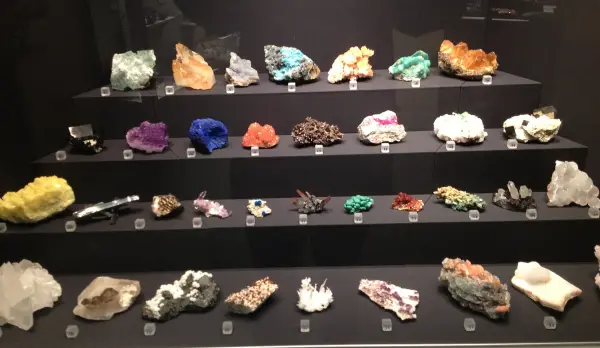
Soldiers Delight Serpentine Barrens
Soldiers Delight Natural Environment Area protects rare serpentine barrens with chromite and unique prairie ecology near Baltimore.
View detailsBare Hills Mining District
Bare Hills mining district is a documented mineral occurrence in Maryland. Reported specimens include Actinolite, Malachite, Epidote, Feldspar, Garnet, Moss Agate, Pyrite, Quartz, Serpentine, Tremolite, Zoisite. Verify land access and collecting rules before visiting.
View detailsChrome Barrens Serpentine
Rare serpentine barrens of Soldiers Delight host unique minerals and endangered ecology; collecting restricted in protected areas.
View detailsFrequently asked questions
Can you go gold panning in Maryland?
Maryland is not a classic western placer-gold state. Hobby rockhounding focuses on Chesapeake fossil beaches and serpentine-barrens minerals. Treat gold-panning Maryland searches as low-expectation creek experiments on permitted ground only — fossils are the better trip.
Where can I go rockhounding in Maryland?
Calvert Cliffs fossil beaches for shark teeth, plus Soldiers Delight and Chrome Barrens serpentine geology (look-only) and Bare Hills mineral history, are the classic starting points. Use our Maryland state hub for GPS and confirm park vs beach rules.
Can I collect fossils at Calvert Cliffs?
Yes on the beach in many cases — Calvert Cliffs State Park is known for surface fossil hunting at the shore, but digging into or climbing the cliffs is not allowed and cliff falls are dangerous. County parks and private beaches set their own rules, so read posted signs and current Maryland DNR guidance before you keep shark teeth.
Is there a Maryland rockhounding map?
Our Maryland state directory lists fossil beaches, serpentine barrens, and mineral-district pins with GPS.
Where can I go rockhounding in Maryland?
Start with Calvert Cliffs beach fossil hunting, then use Soldiers Delight / Chrome Barrens for look-only serpentine geology. Use this Maryland rockhounding guide — protected areas ban removal.